Types of Himalayan Treks: Pass, Summit, Bugyal Treks & Expedition Treks
The Himalayas are home to some of the most breathtaking trekking experiences in the world. From crossing dramatic mountain passes and standing on scenic summits to walking through peaceful alpine meadows and exploring remote high-altitude landscapes, every trek offers something unique. To make it easier to choose the right adventure, Himalayan treks are generally divided into four main types: Pass Treks, Summit Treks, Bugyal Treks, and Expedition Treks. Each category offers a different experience in terms of terrain, difficulty, scenery, and adventure. Whether you're planning your first Himalayan trek or looking for your next big challenge, understanding these trek types will help you find the perfect journey for your fitness level, interests, and trekking goals.
1. Pass Trek
What Is a Pass Trek?
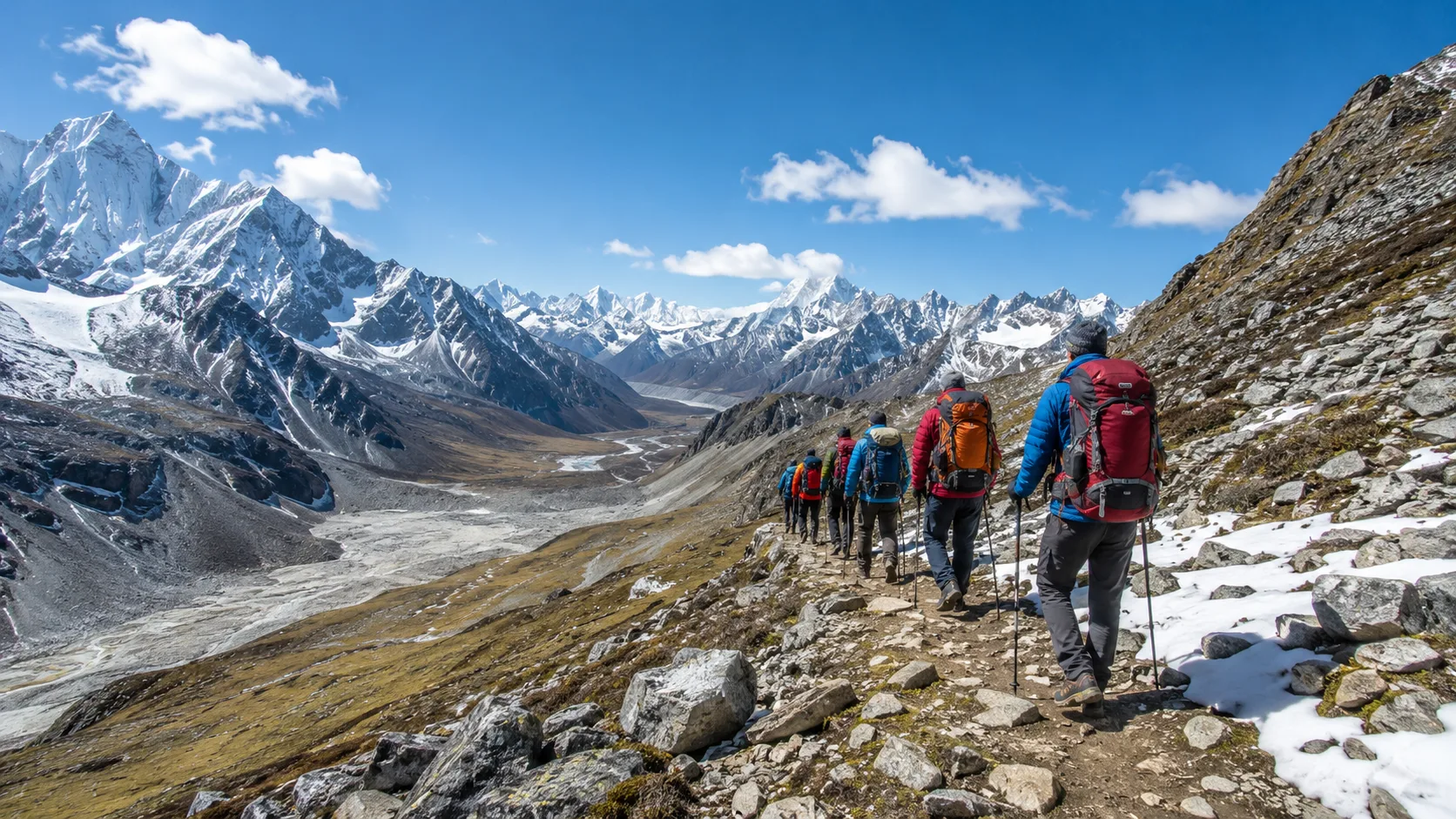
A pass trek is a trek where you cross a mountain pass, which is a natural route between two mountains that connects one valley to another. Unlike many other treks where you usually return on the same trail, pass treks usually begin in one valley and end in a different valley, making the journey more adventurous.
What Makes a Pass Trek Special?
The biggest highlight is the feeling of crossing the highest point of the trek. As you climb, the scenery changes from forests to alpine landscapes, glaciers, rocky terrain, and snow-covered mountains. Every morning feels different because you are constantly moving into a new region.
Difficulty Level of Pass Treks
Most pass treks are moderate to difficult. They involve long walking hours, steep climbs, and higher altitudes. Good physical fitness is important, and beginners are usually advised to complete an easier Himalayan trek before attempting one.
Best Time for Pass Treks
Most Himalayan pass treks are best done during summer (May–June) and post-monsoon (September–October), when the trails are more stable and the mountain views are clearer.
Some Popular Pass Treks
- Hampta Pass🔗
- Kuari Pass
- Sar Pass
2. Summit Treks
What Is a Summit Trek?
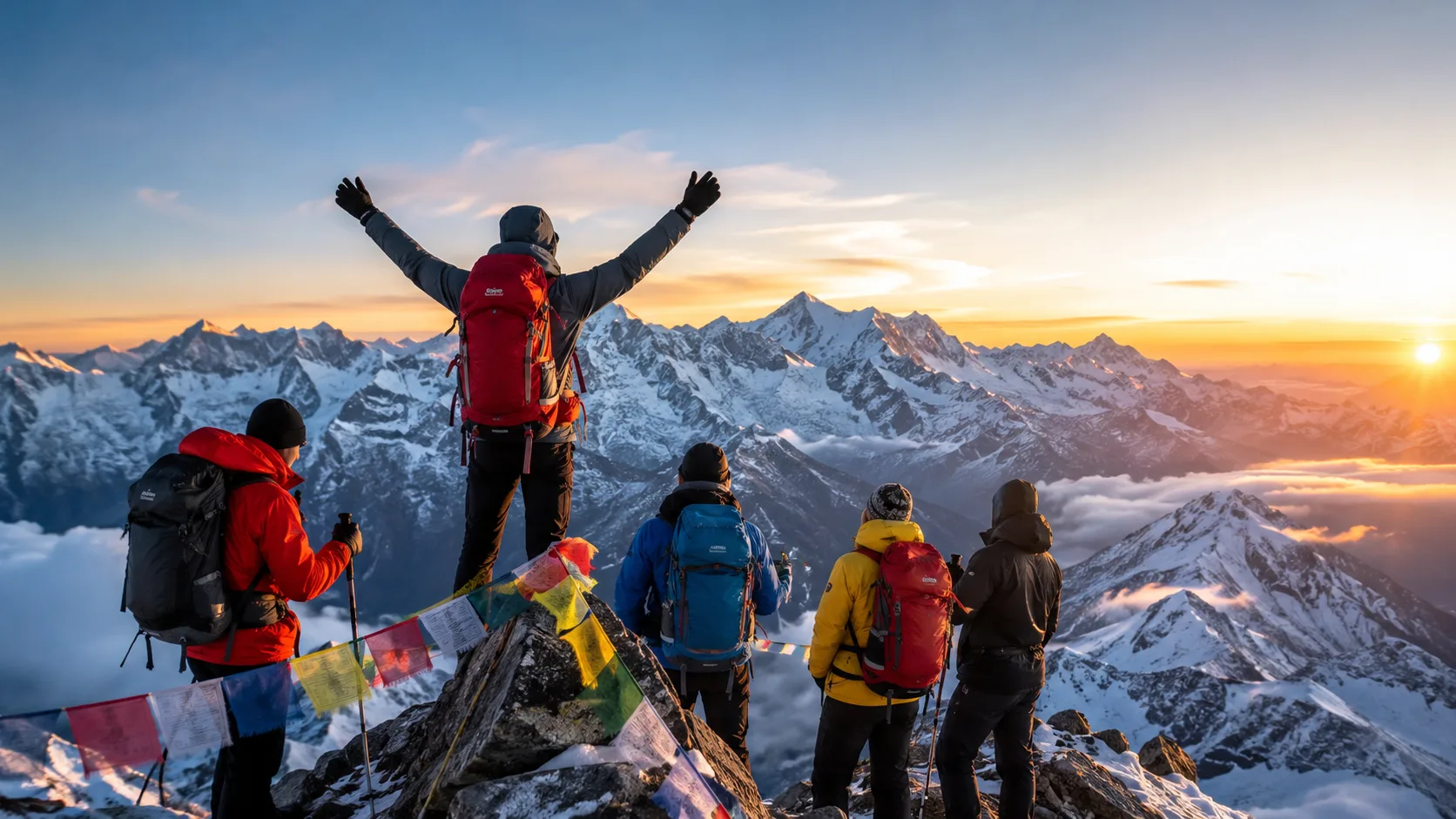
A summit trek takes you to the top of a mountain or peak. The main goal is to reach the highest point, enjoy the Himalayan views, and return through the same or a nearby trail. Unlike a pass trek, you don't cross into another valley.
Why Do People Love Summit Treks?
Standing at the summit gives a strong sense of achievement. The final climb is often the most exciting part, and reaching the top rewards you with stunning 360-degree mountain views.
Is It a Beginner-Friendly Trek?
Many summit treks are suitable for beginners, while some are more demanding. The difficulty depends on the altitude, distance, and trail. Starting with an easy summit trek is the best way to experience Himalayan trekking.
Best Time for Summit Treks
Summit treks are available across different seasons. Winter offers snowy landscapes, while spring, summer, and autumn provide clearer skies and pleasant weather depending on the destination.
Some Popular Summit Treks
3. Bugyal Treks
What Is a Bugyal Trek?
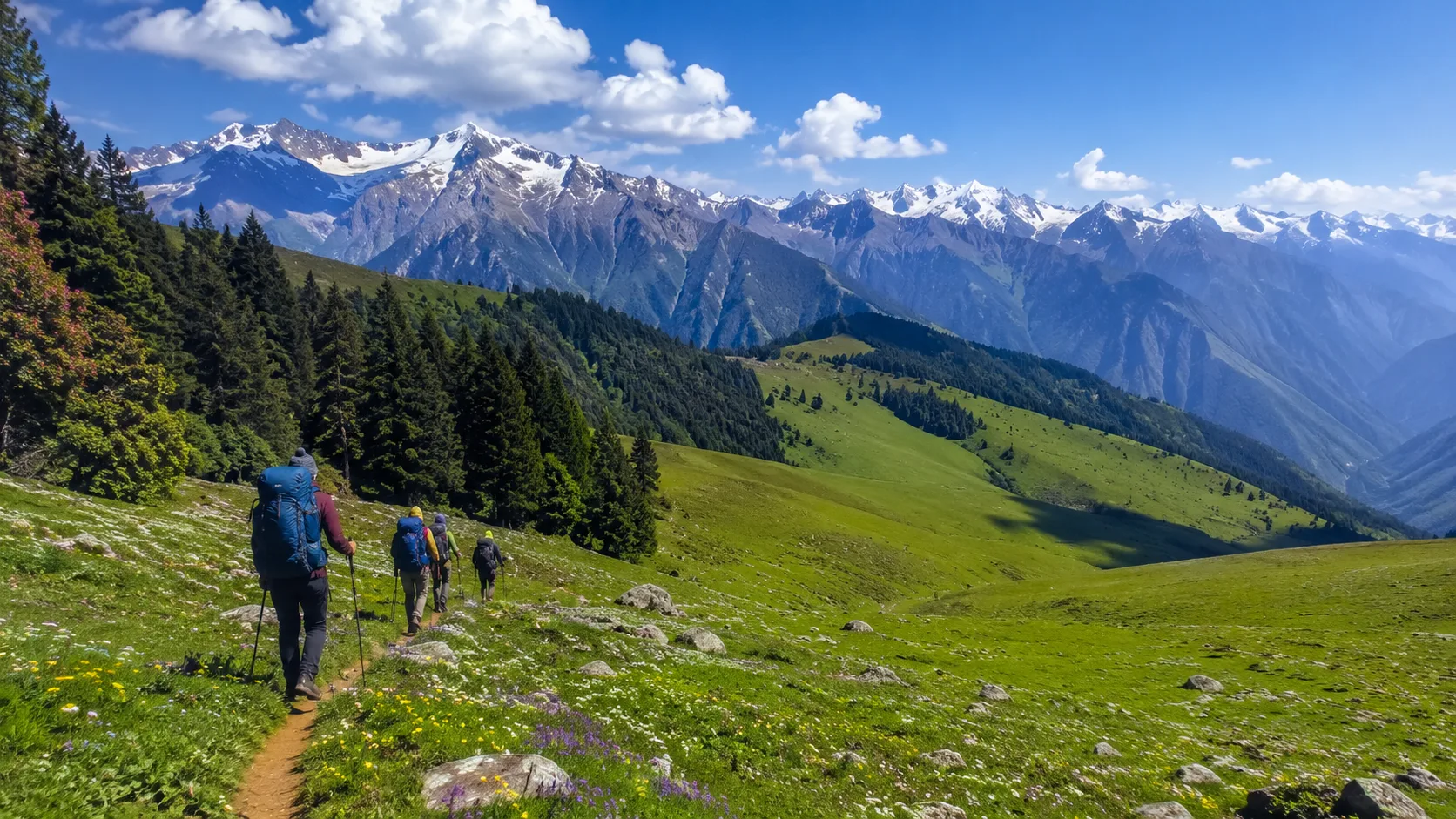
A bugyal trek takes you through high-altitude alpine meadows, locally known as Bugyals in Uttarakhand. These wide grasslands are surrounded by Himalayan peaks and change their beauty with every season.
What Makes Bugyal Treks Unique?
Unlike steep mountain climbs, bugyal treks are known for peaceful walks through open meadows, forests, and gentle slopes. During summer, the meadows become lush green with wildflowers, while winter covers them in snow.
Is It Good for Beginners?
Yes. Many bugyal treks are among the best choices for first-time trekkers because the trails are generally less technical and offer incredible mountain views without extreme difficulty.
Best Time for Bugyal Treks
- Spring and Summer: Green meadows and blooming flowers.
- Autumn: Golden grasslands with crystal-clear mountain views.
- Winter: Snow-covered meadows and peaceful landscapes.
Some Popular Bugyal Treks
- Dayara Bugyal Trek
- Ali Bedni Bugyal Trek
4. Expedition Treks
What Is an Expedition Trek?
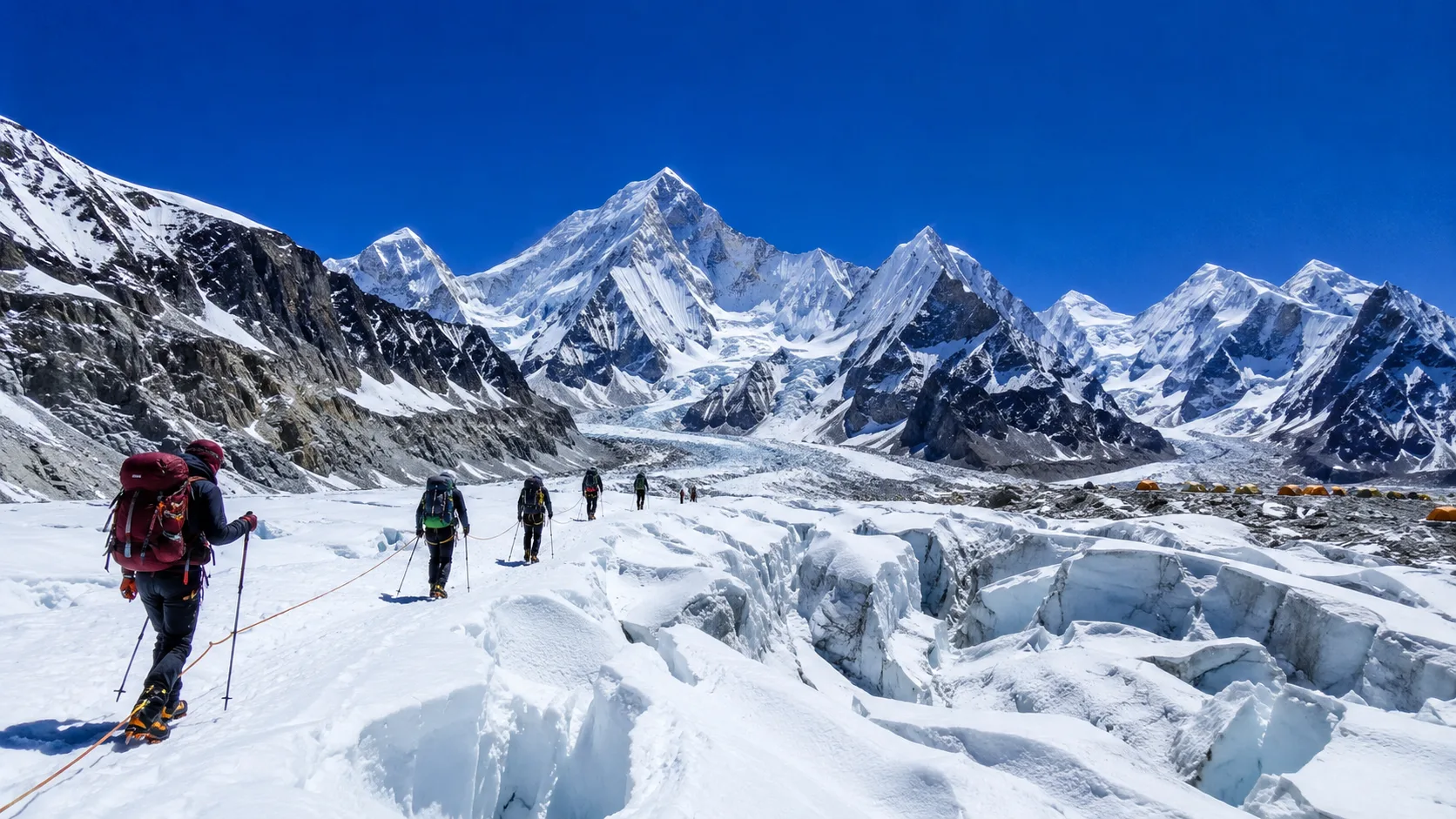
An expedition trek is a challenging high-altitude journey that takes you into some of the most remote and rugged regions of the Himalayas. These treks often involve crossing glaciers, navigating rocky terrain, camping for several days, and trekking at very high altitudes. They are designed for experienced trekkers seeking a true Himalayan adventure.
What Makes Expedition Treks Unique?
Expedition treks offer a sense of exploration beyond regular trekking routes. They take you through untouched valleys, high mountain camps, glaciers, and dramatic Himalayan landscapes. The longer duration, remote locations, and extreme environments make these treks an unforgettable experience.
Who Should Choose an Expedition Trek?
Expedition treks are recommended for experienced trekkers with excellent physical fitness and prior high-altitude trekking experience. These treks demand endurance, preparation, and the ability to adapt to challenging mountain conditions.
Best Time for Expedition Treks
Most Himalayan expedition treks are best undertaken during summer (May–June) and post-monsoon (September–October), when weather conditions are relatively stable and mountain visibility is at its best.
Some Popular Expedition Treks
- Bali Pass Trek
- Kalindi Khal Trek