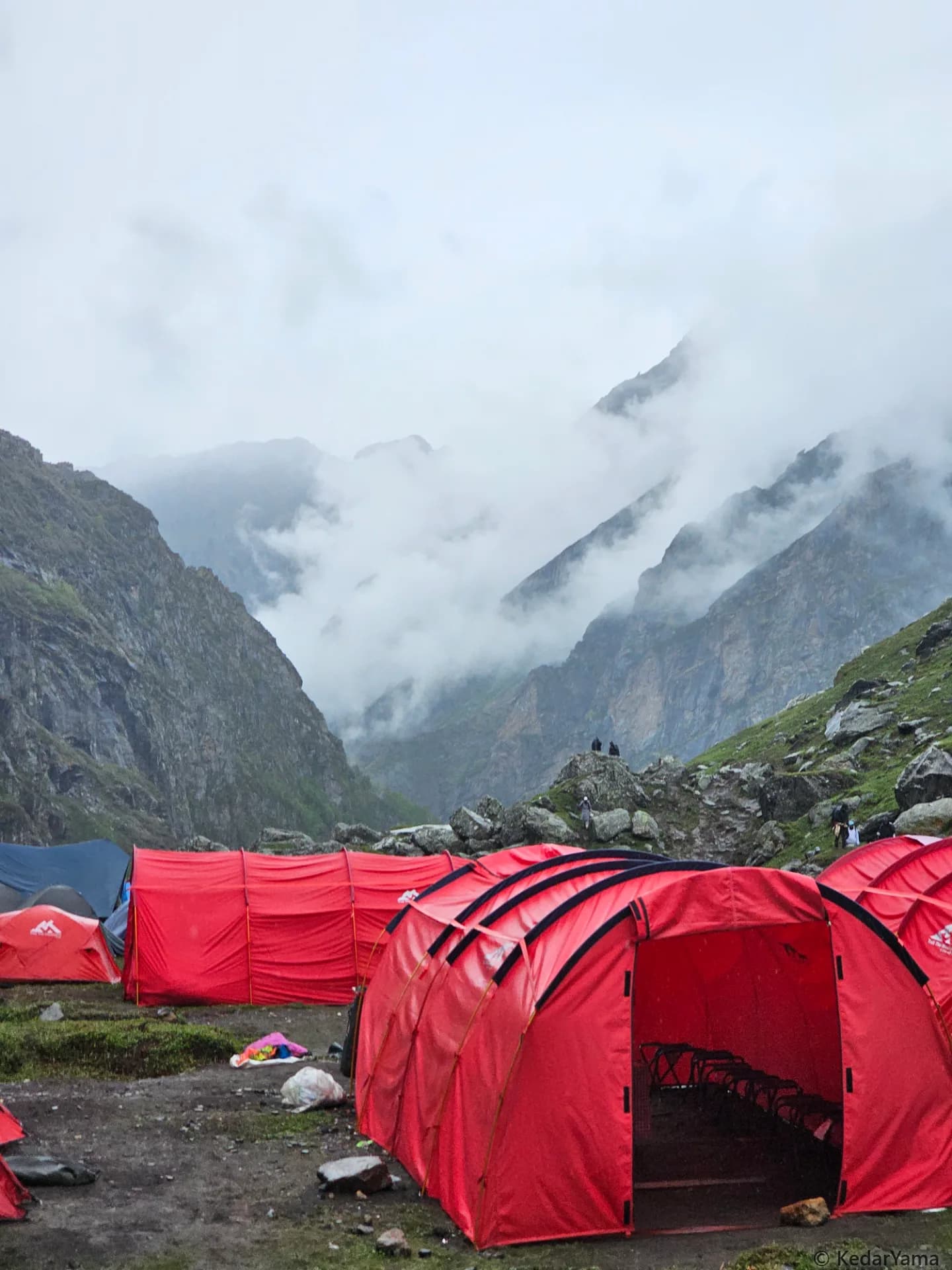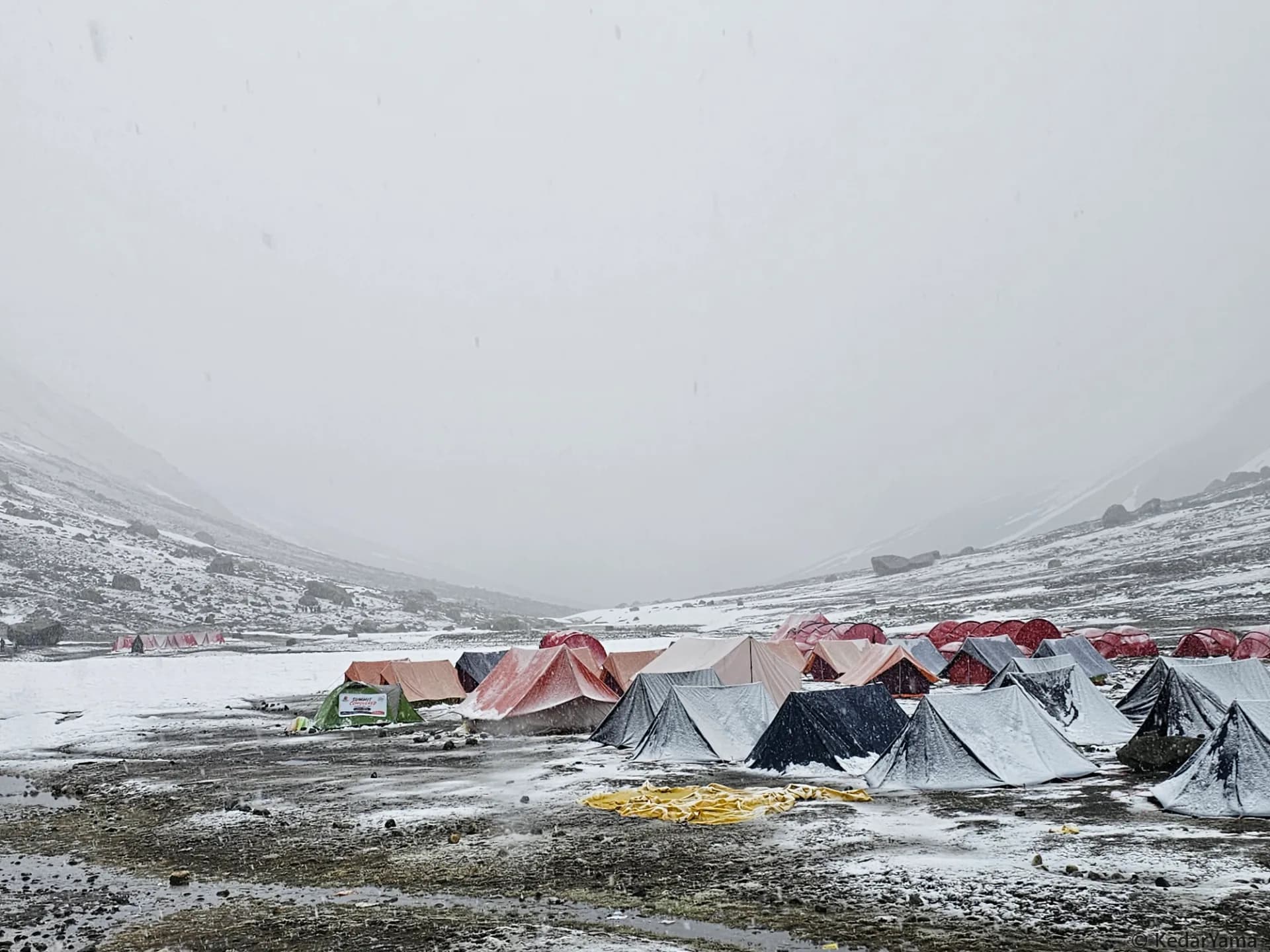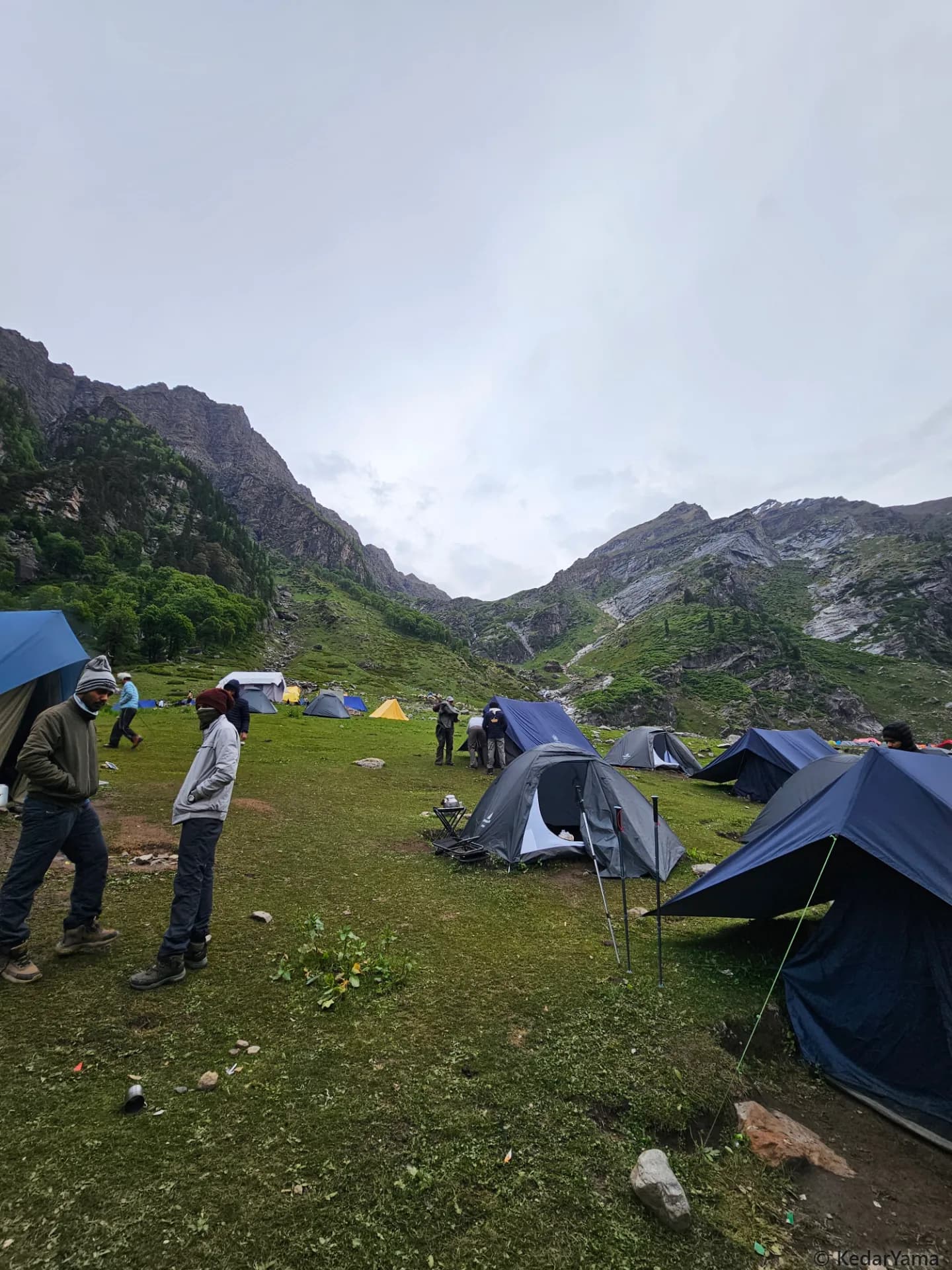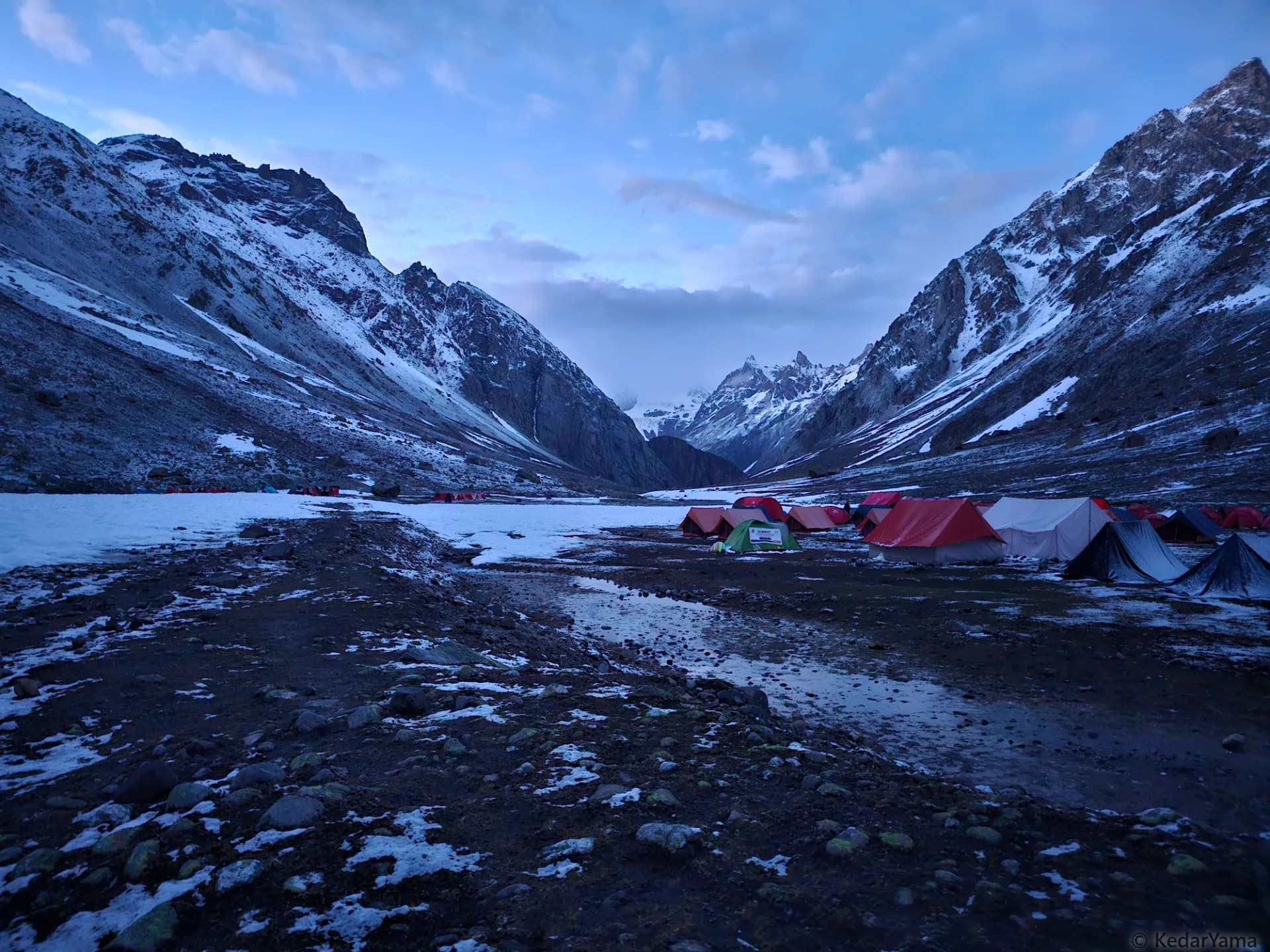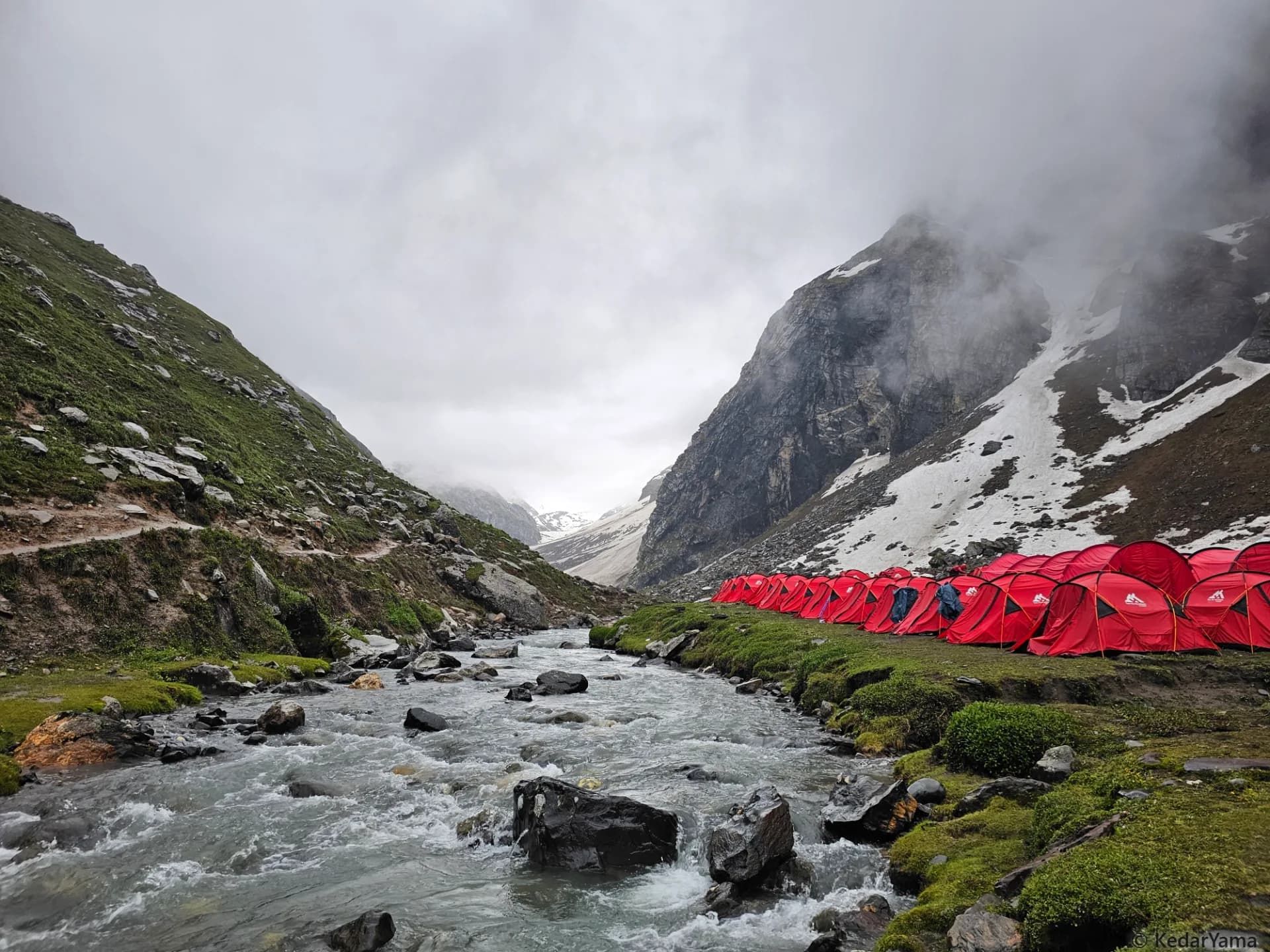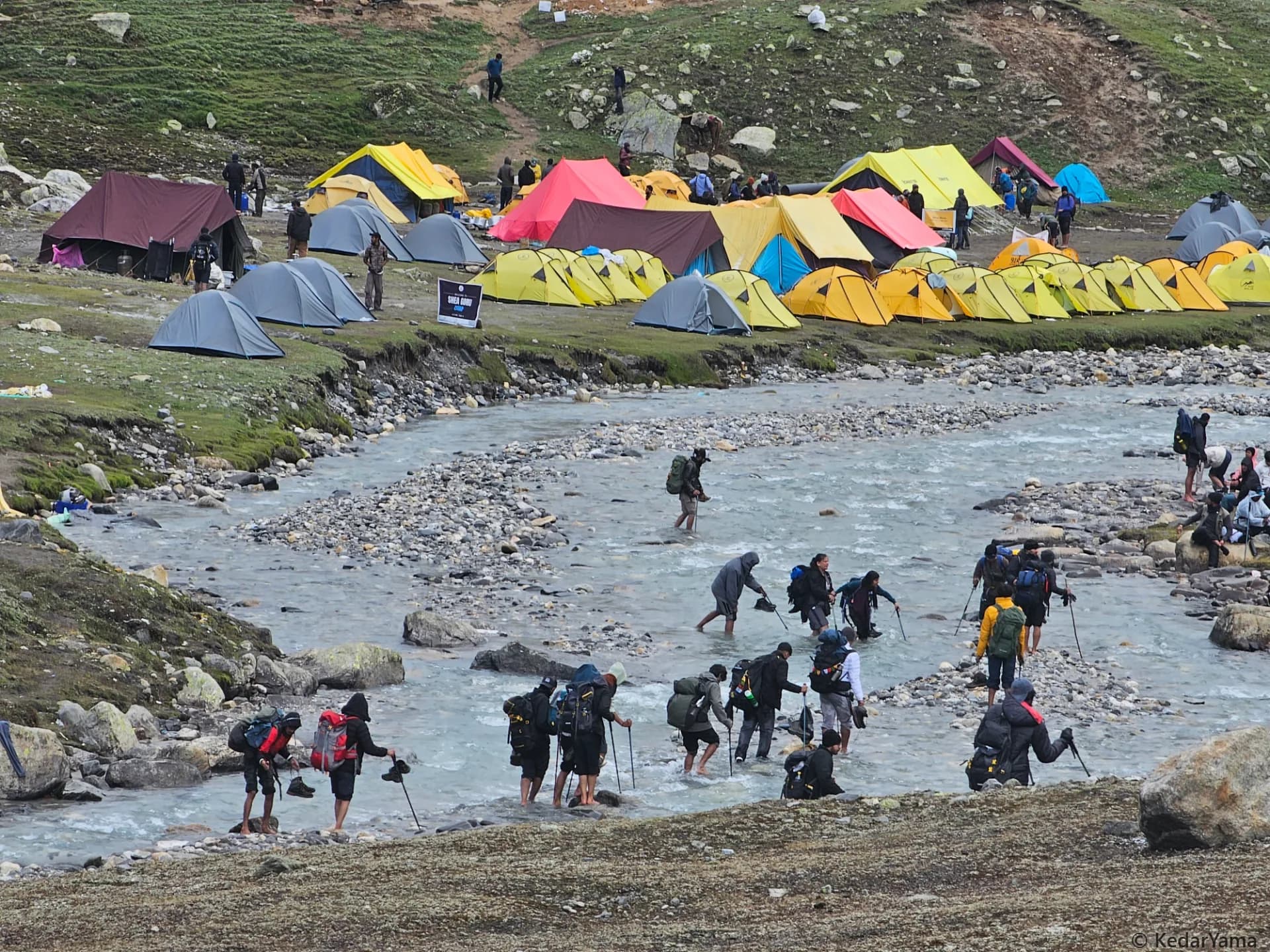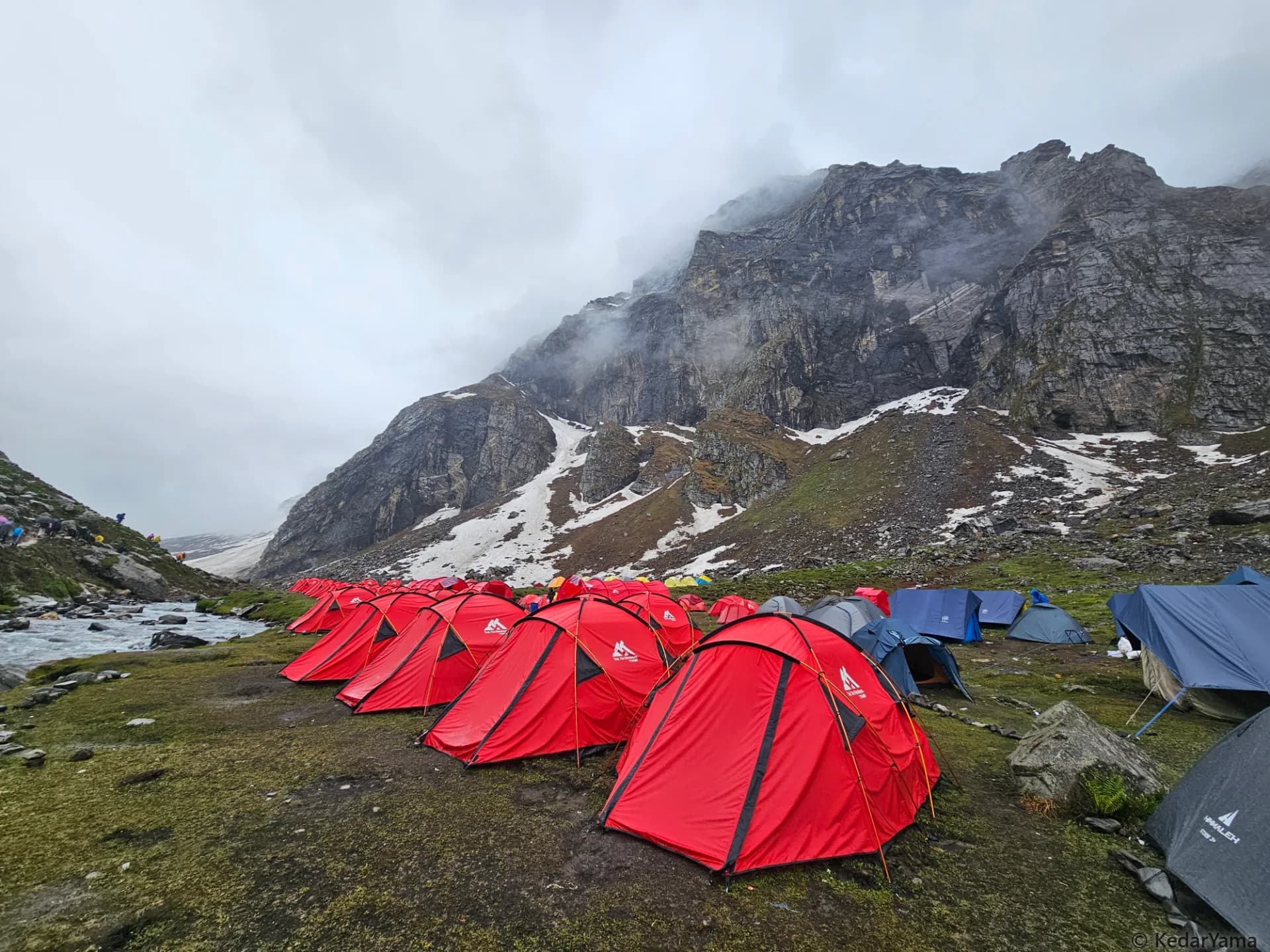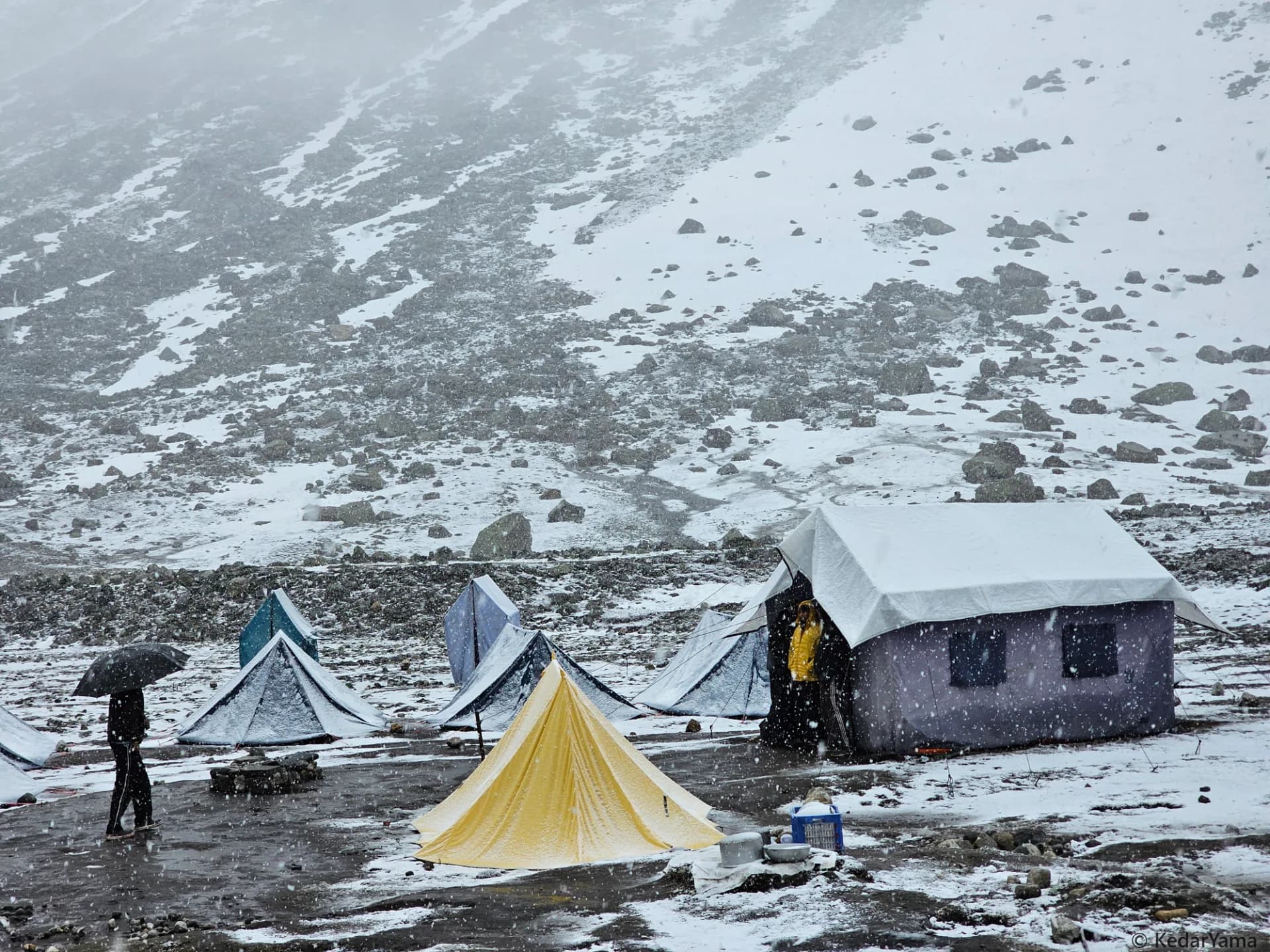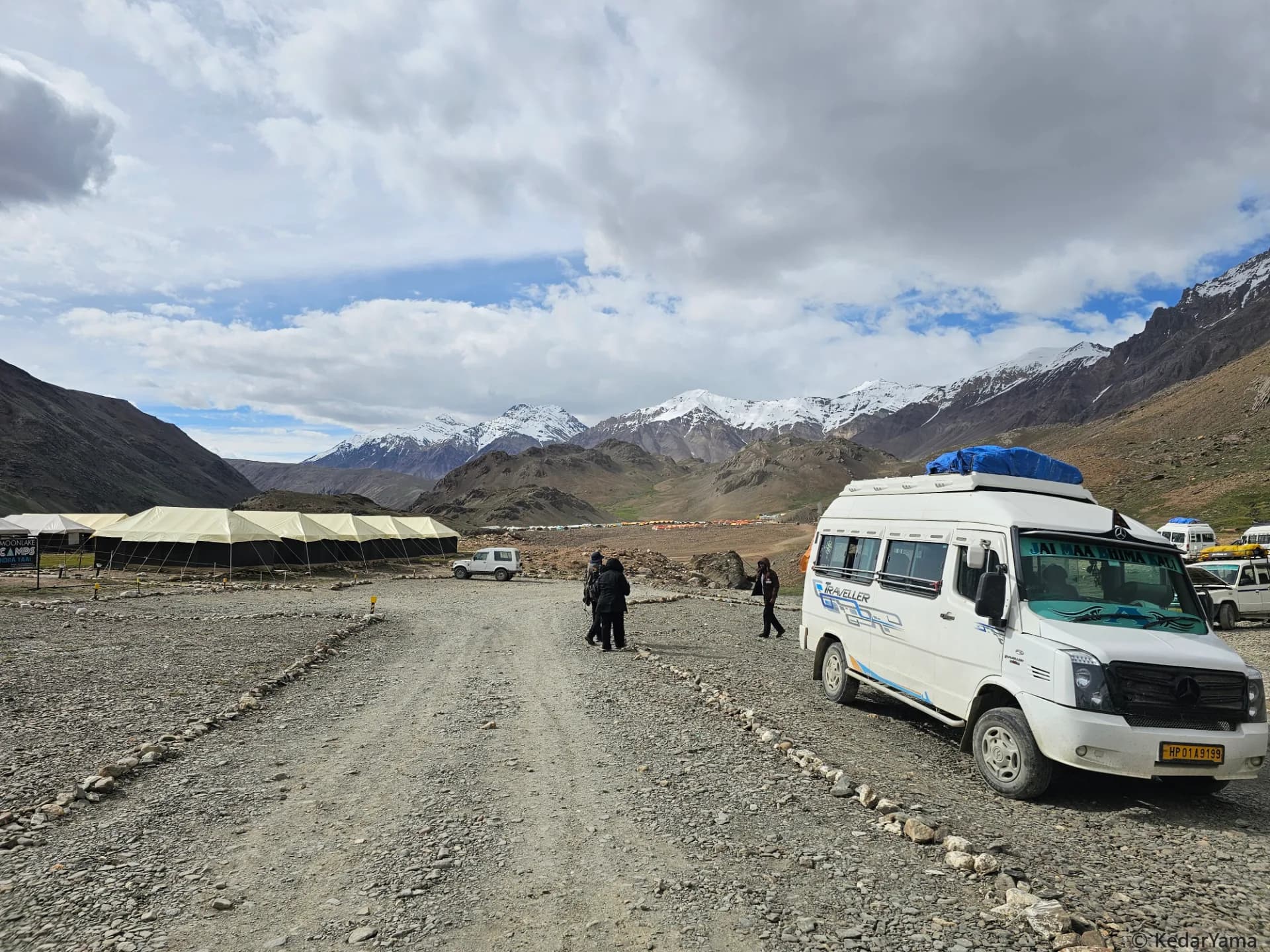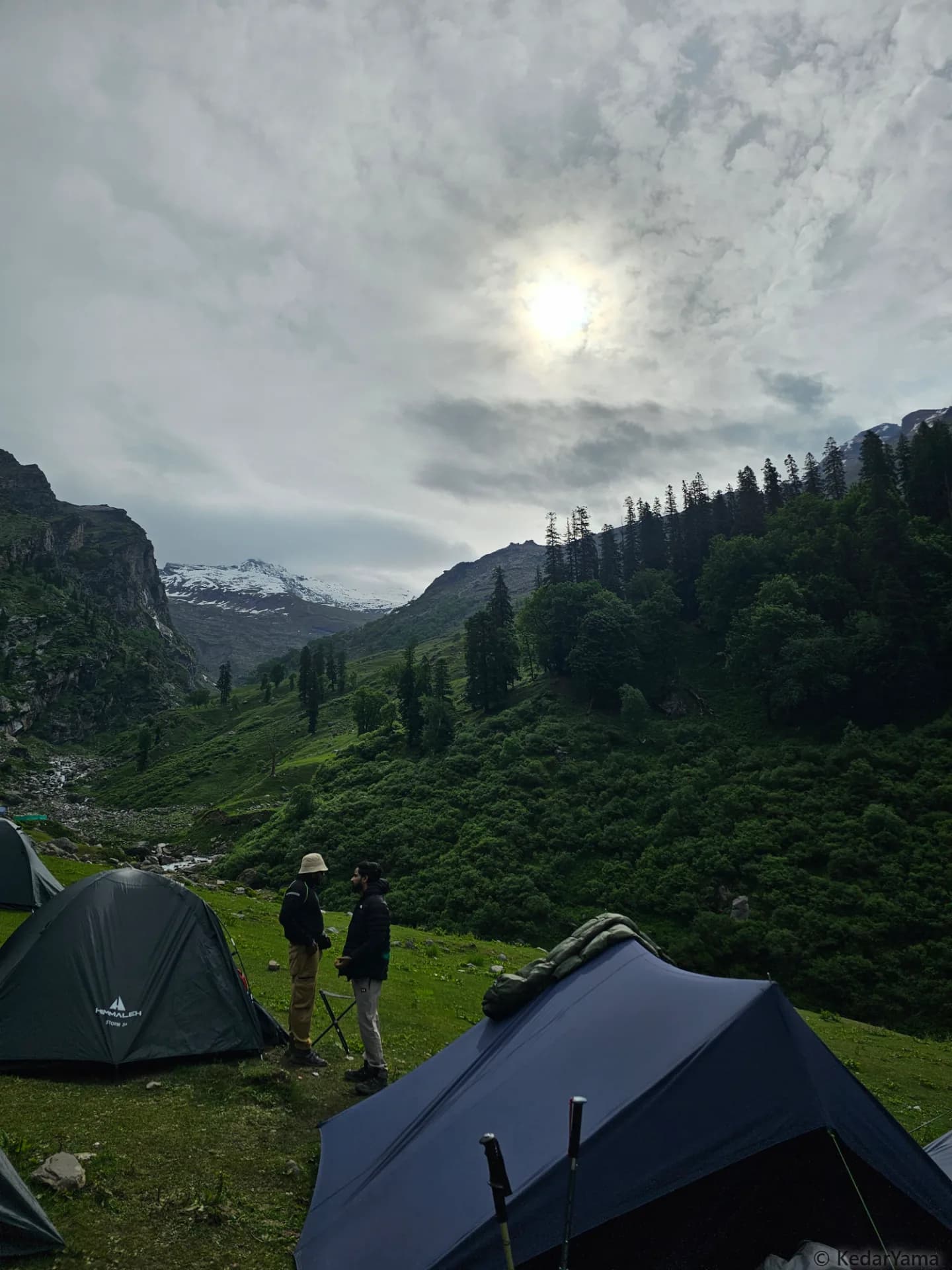
Accommodation
Pir Panjal Range, Kullu–Lahaul, Himachal Pradesh
“Cross from Kullu's green valleys into the stark Lahaul desert on Himachal's most dramatic crossover trek.”
Altitude
14065 ft
Duration
5 Days
Difficulty
Moderate
Best time
Jun – Sep
Updated 10 Aug 2026
Max altitude
14,065 ft
Duration
5 Days
Total distance
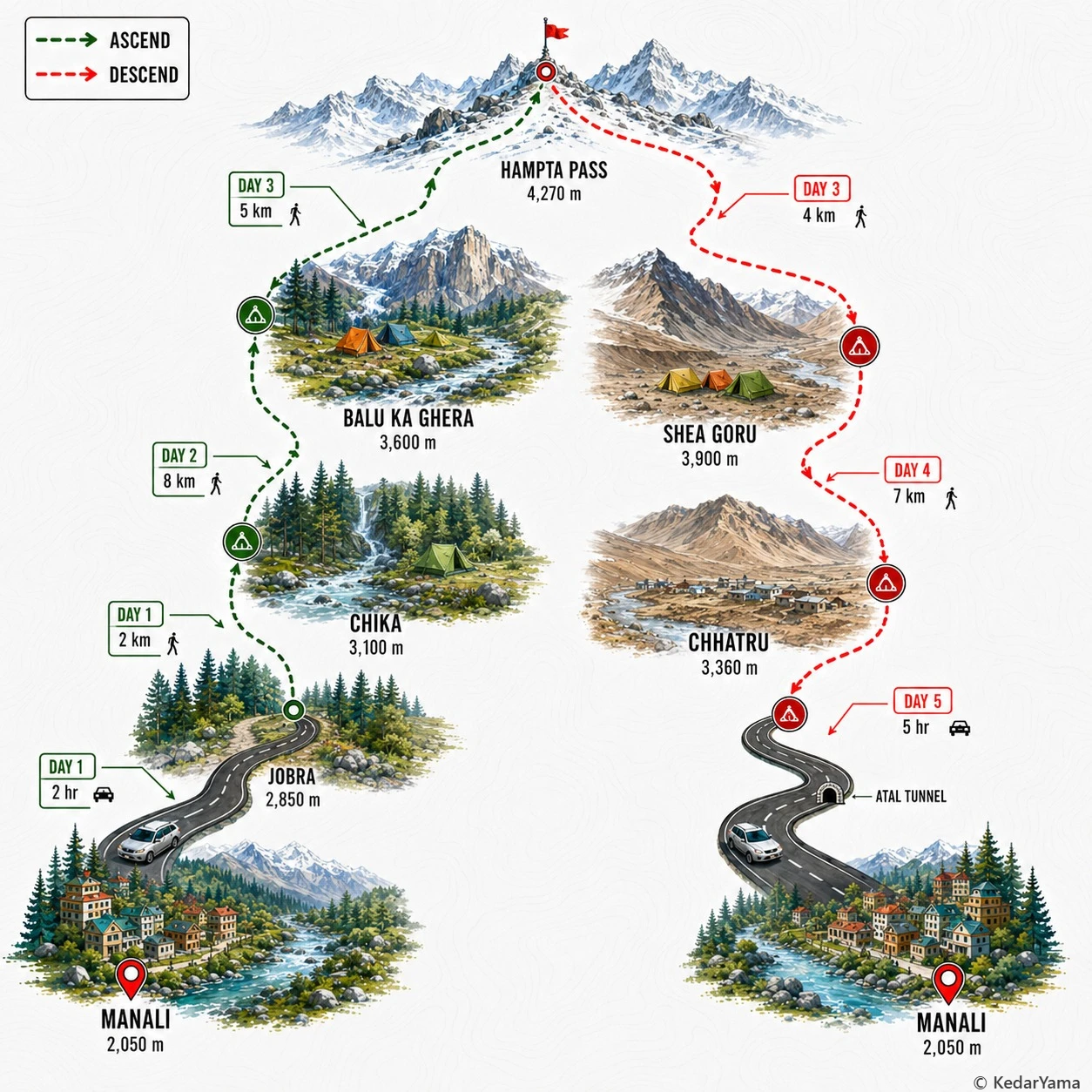
26 km
Elevation gain
4,900 ft
Trekking Boots
50L Backpack
3-Layer Clothes
Down Jacket
Thermal Layers
Gloves
Winter Gloves

Woolen Socks
Trekking Pole
Hydration
Headlamp
First Aid Kit
Power Bank
Action Cam
Quick-dry Towel
Hydration Bladder
Trek Gaiters
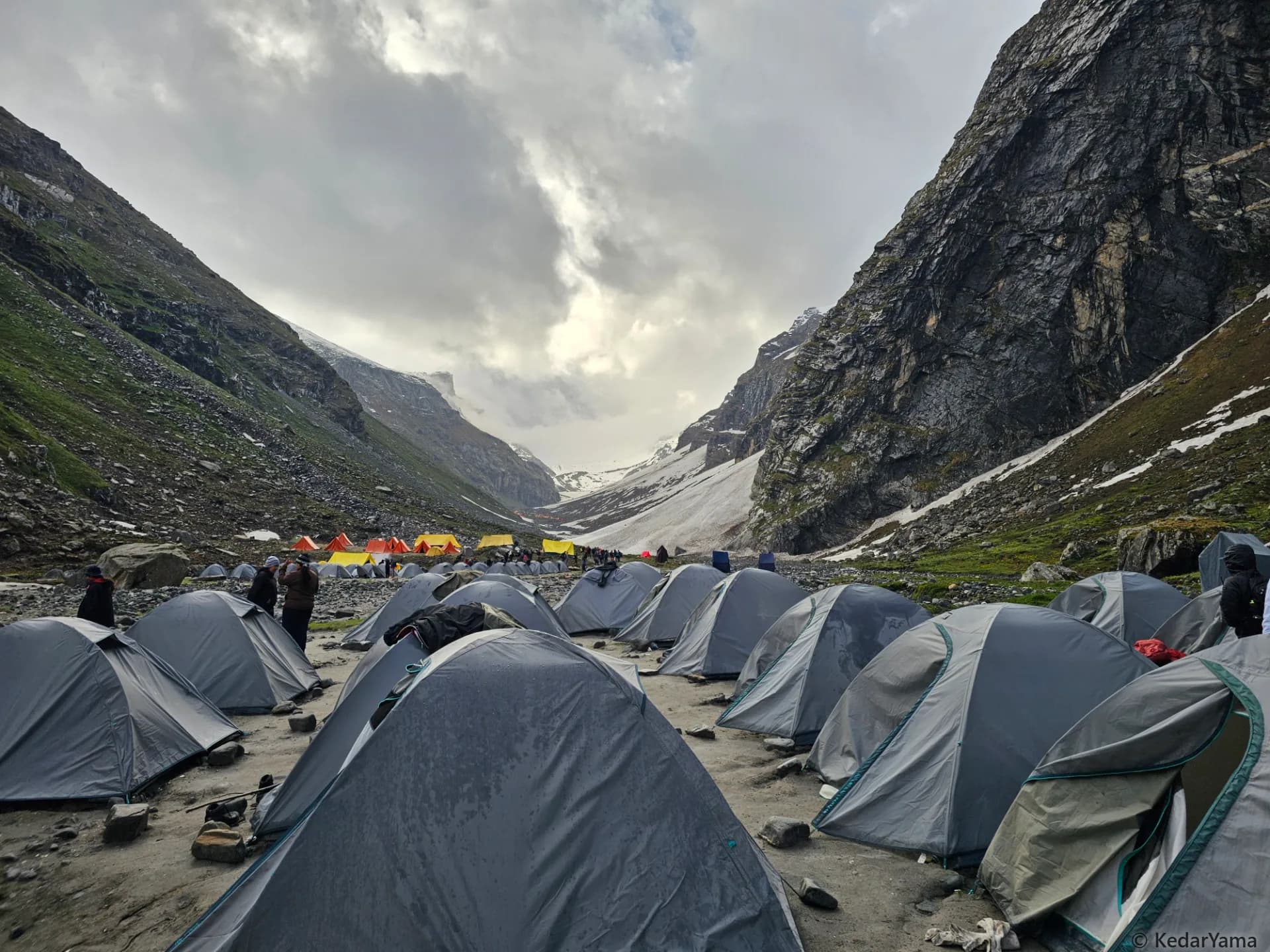
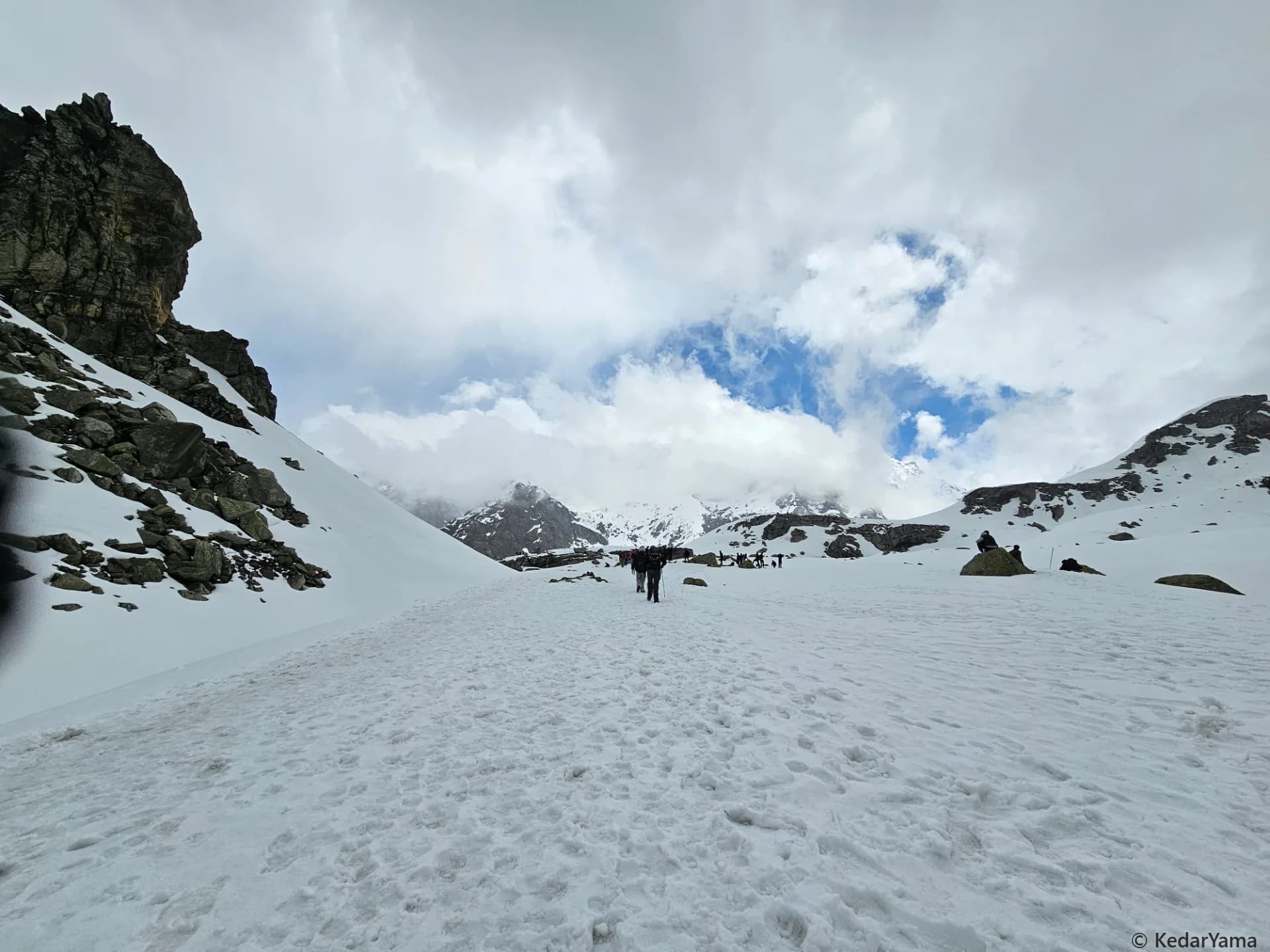
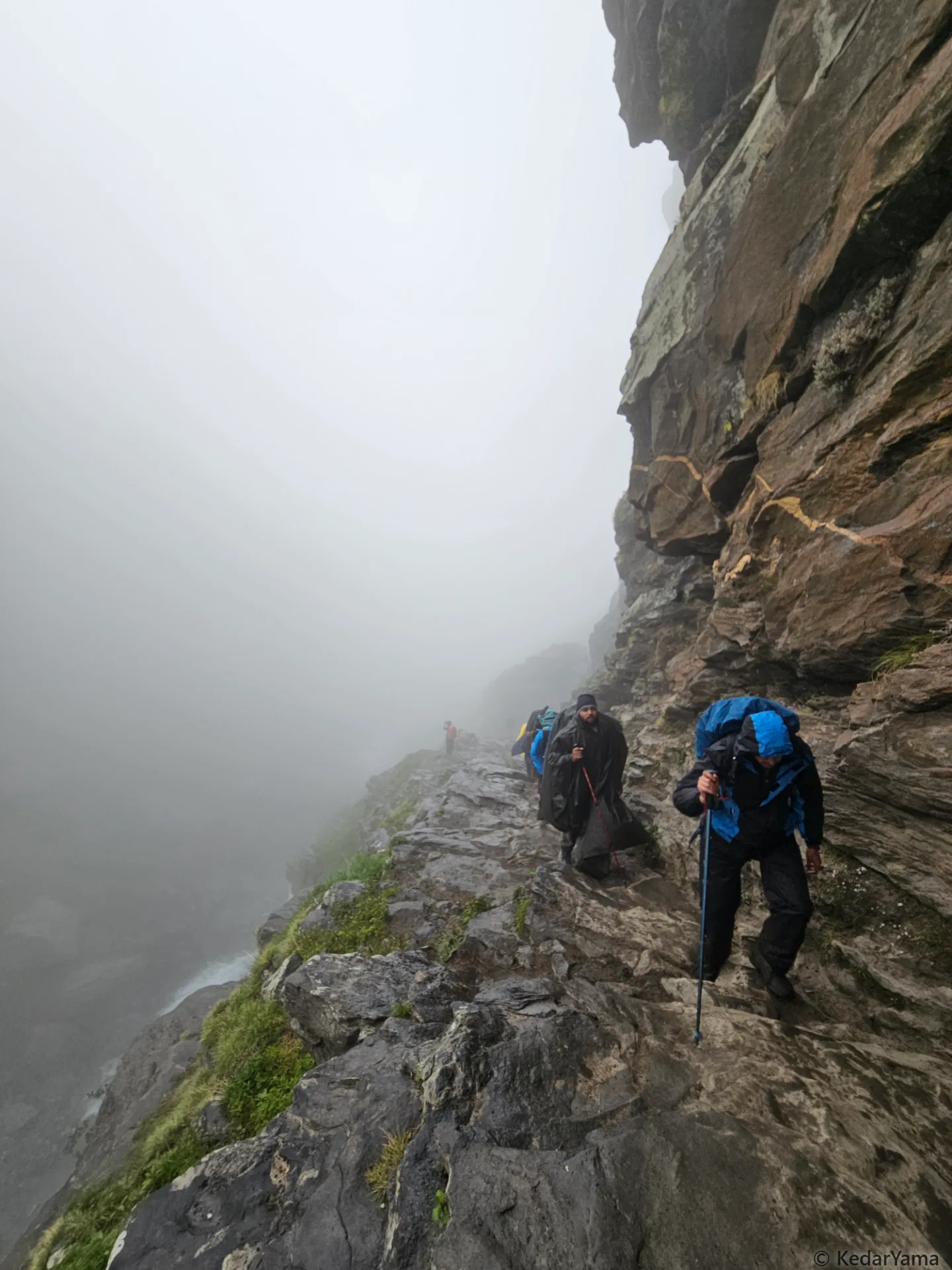
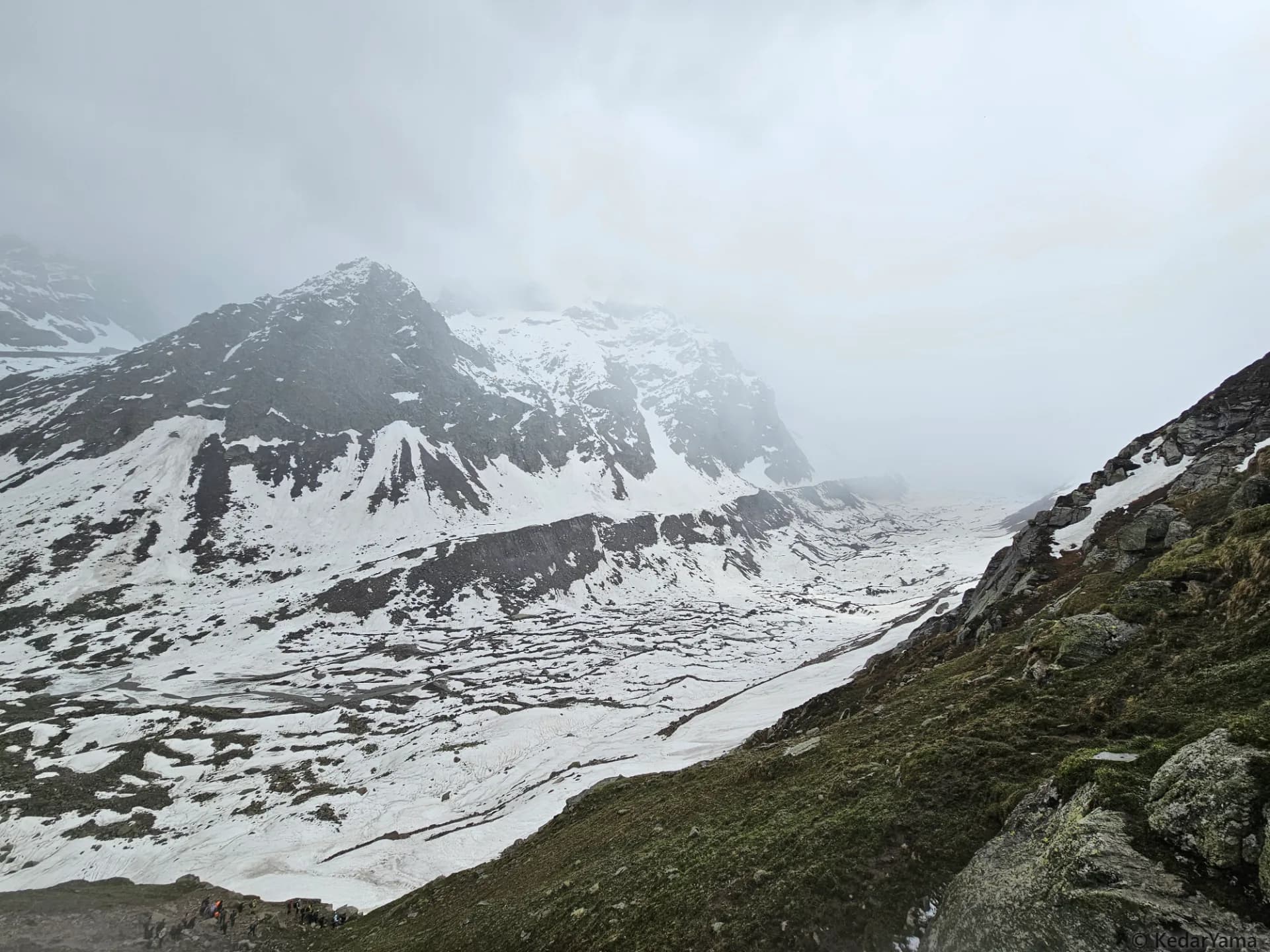
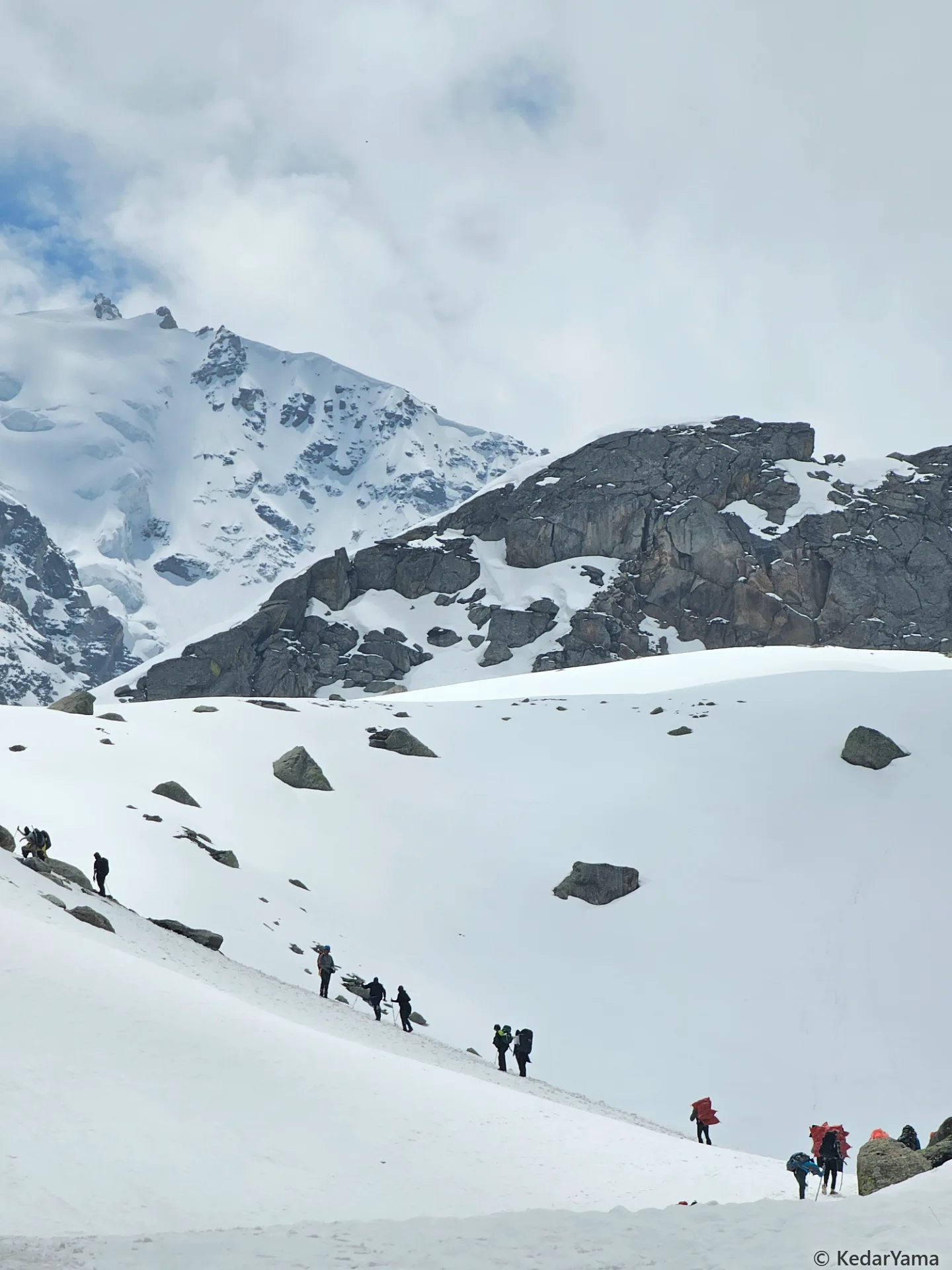
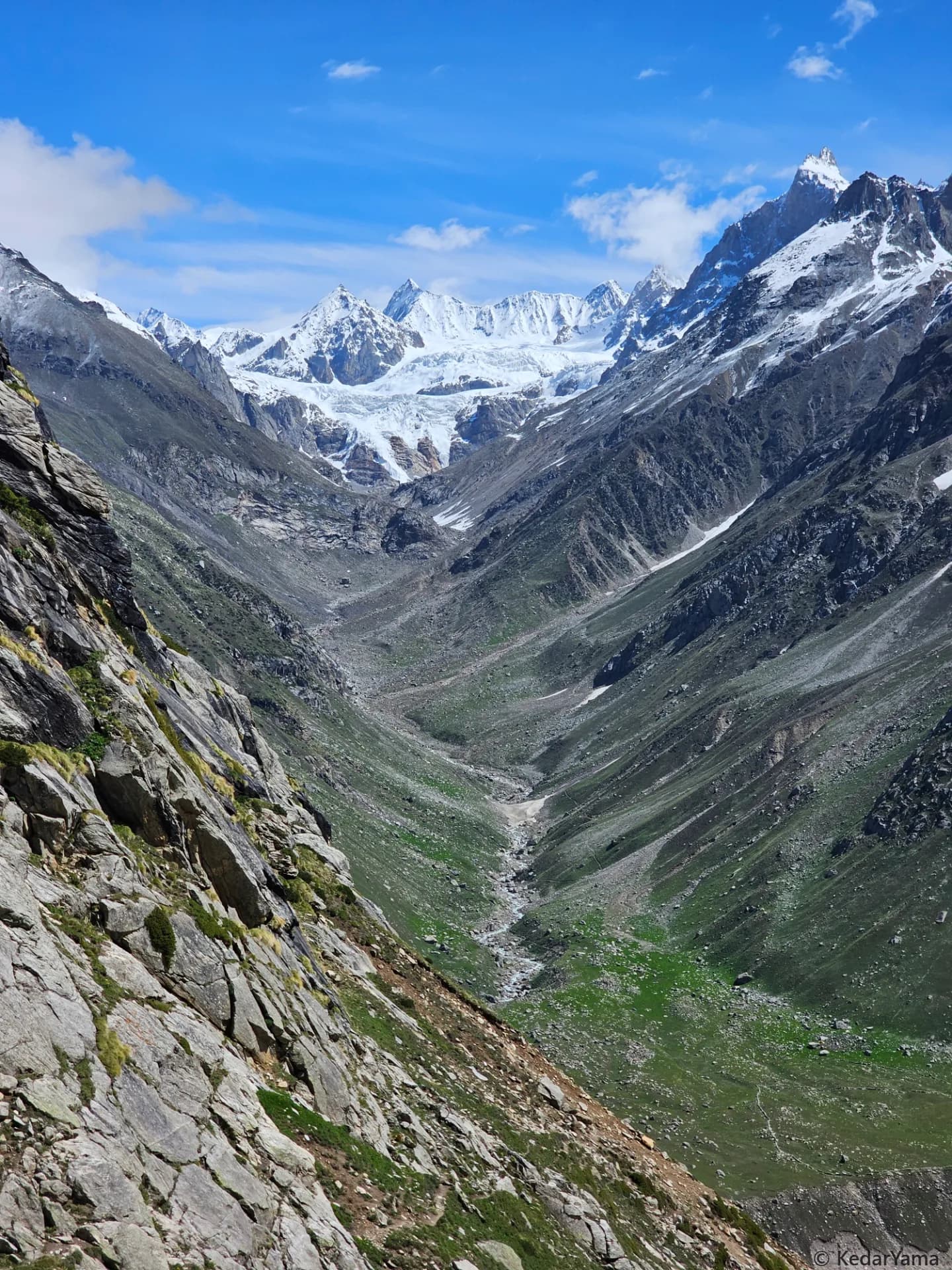
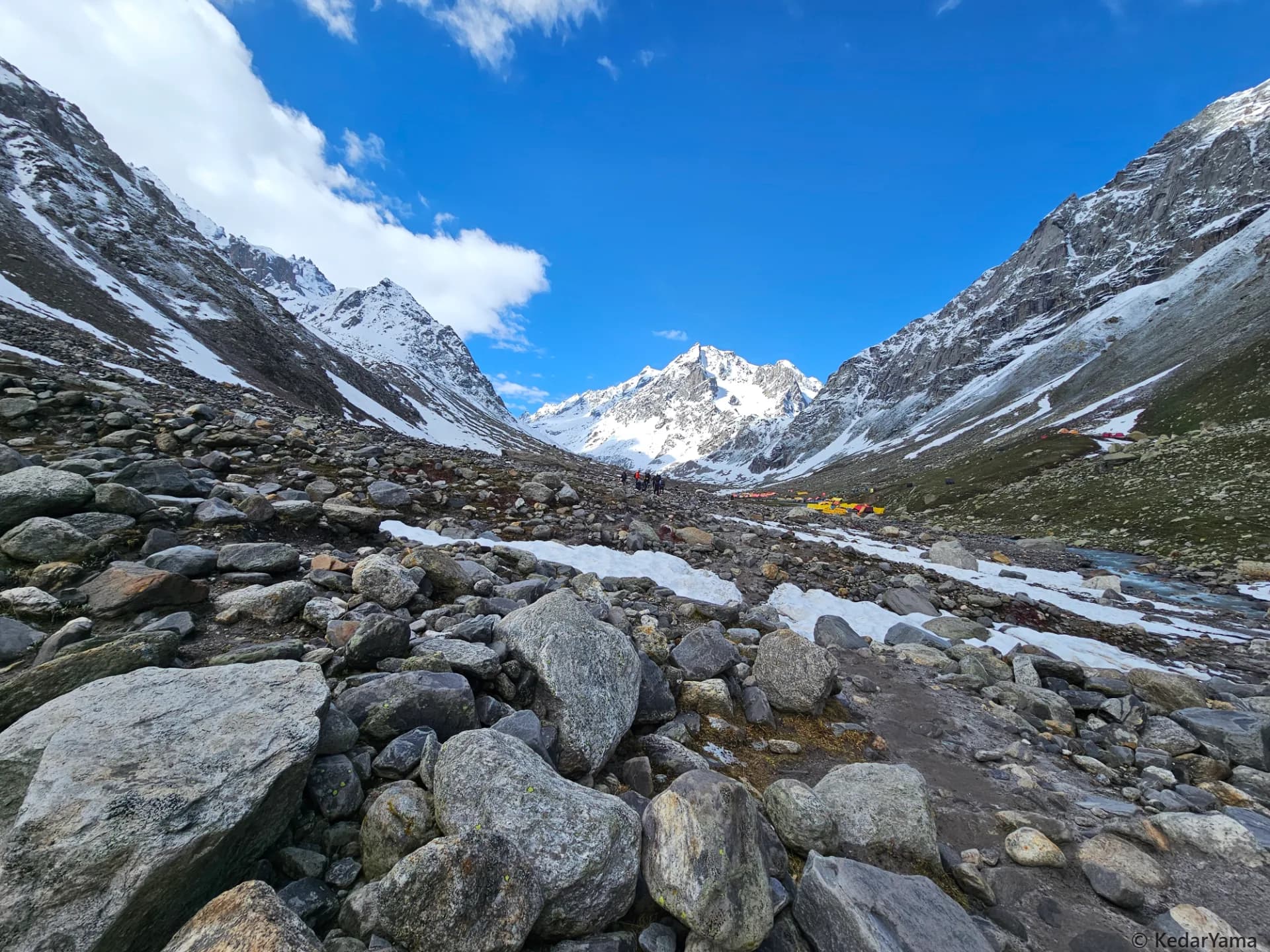
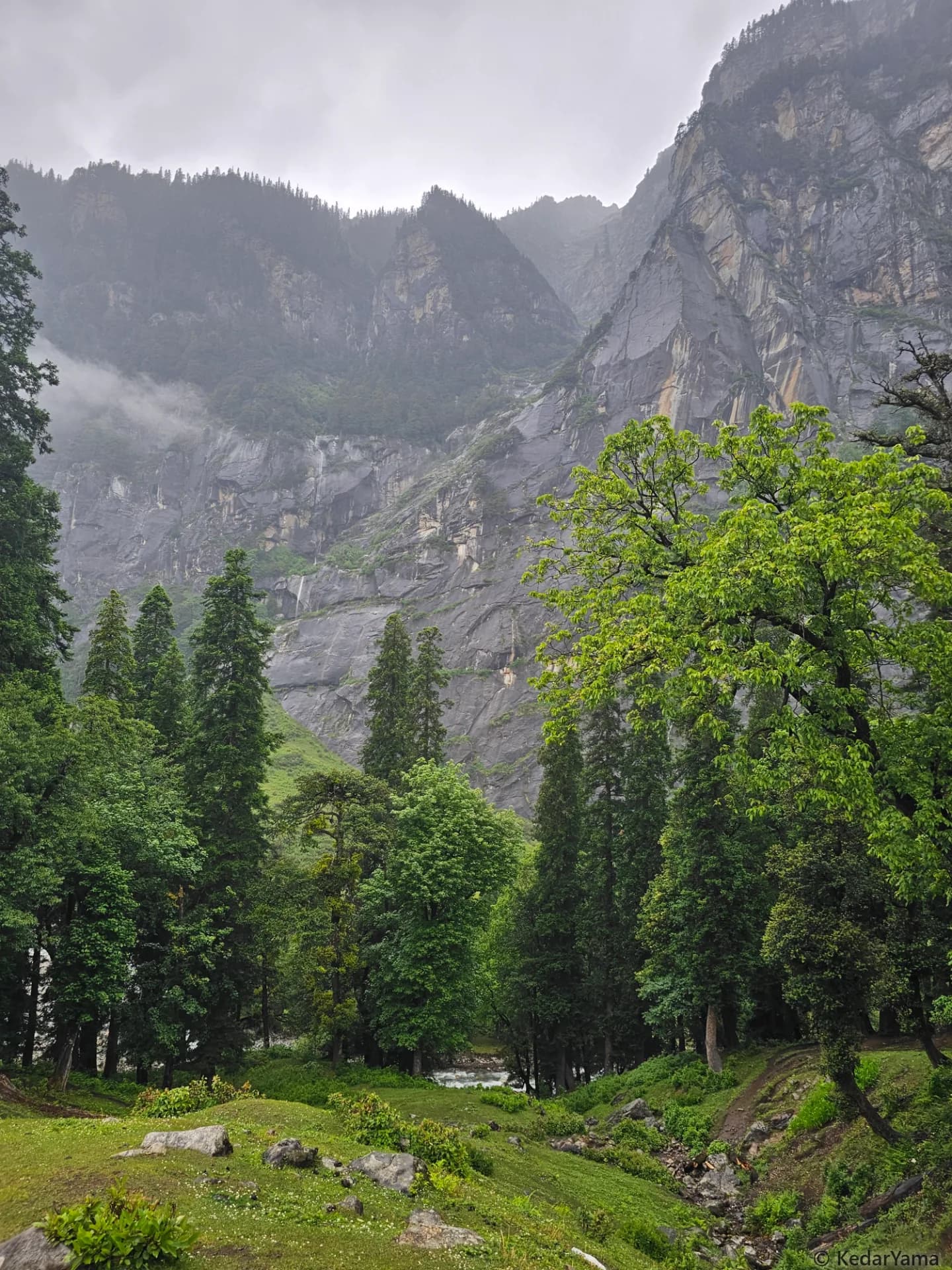
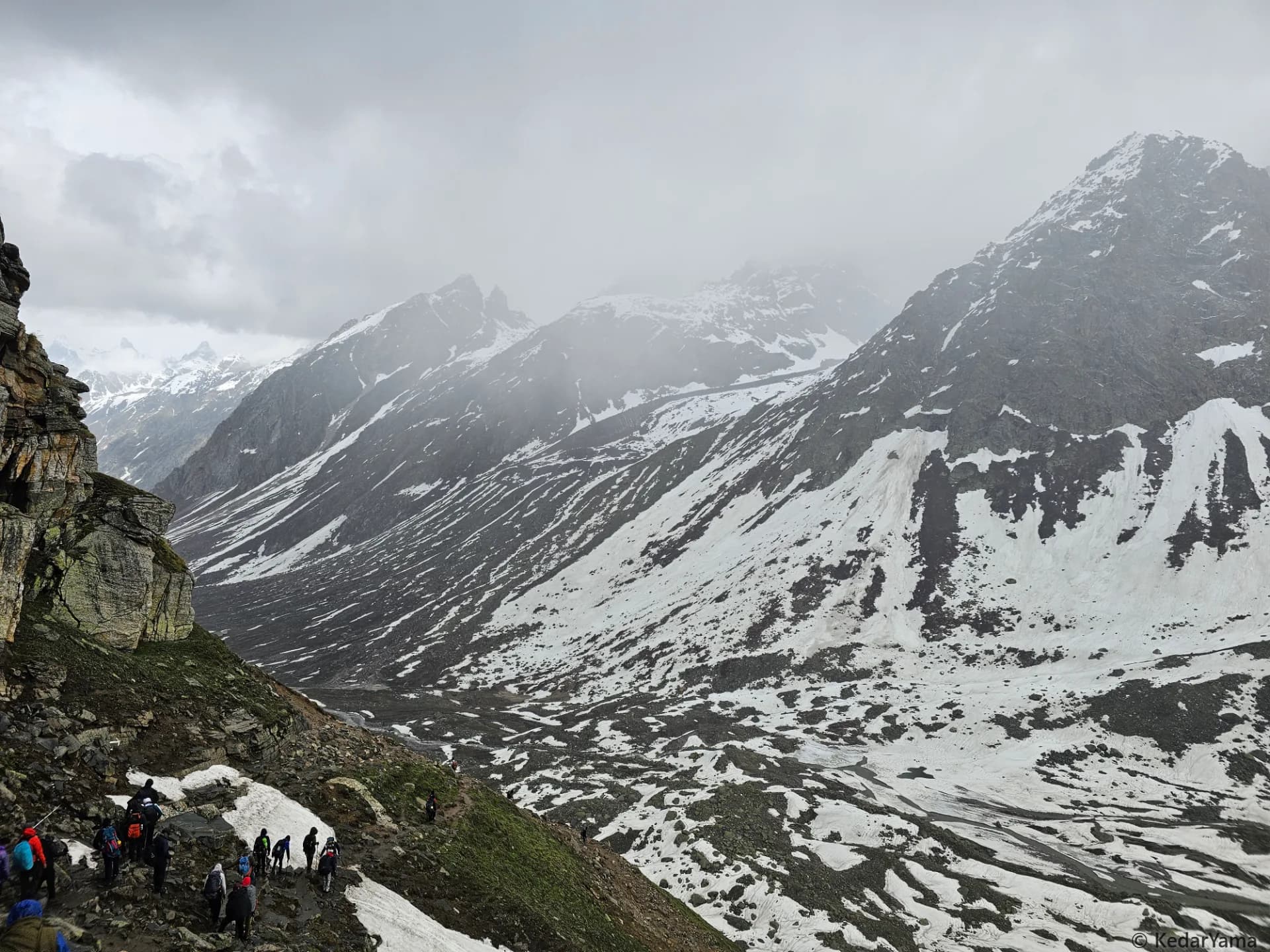
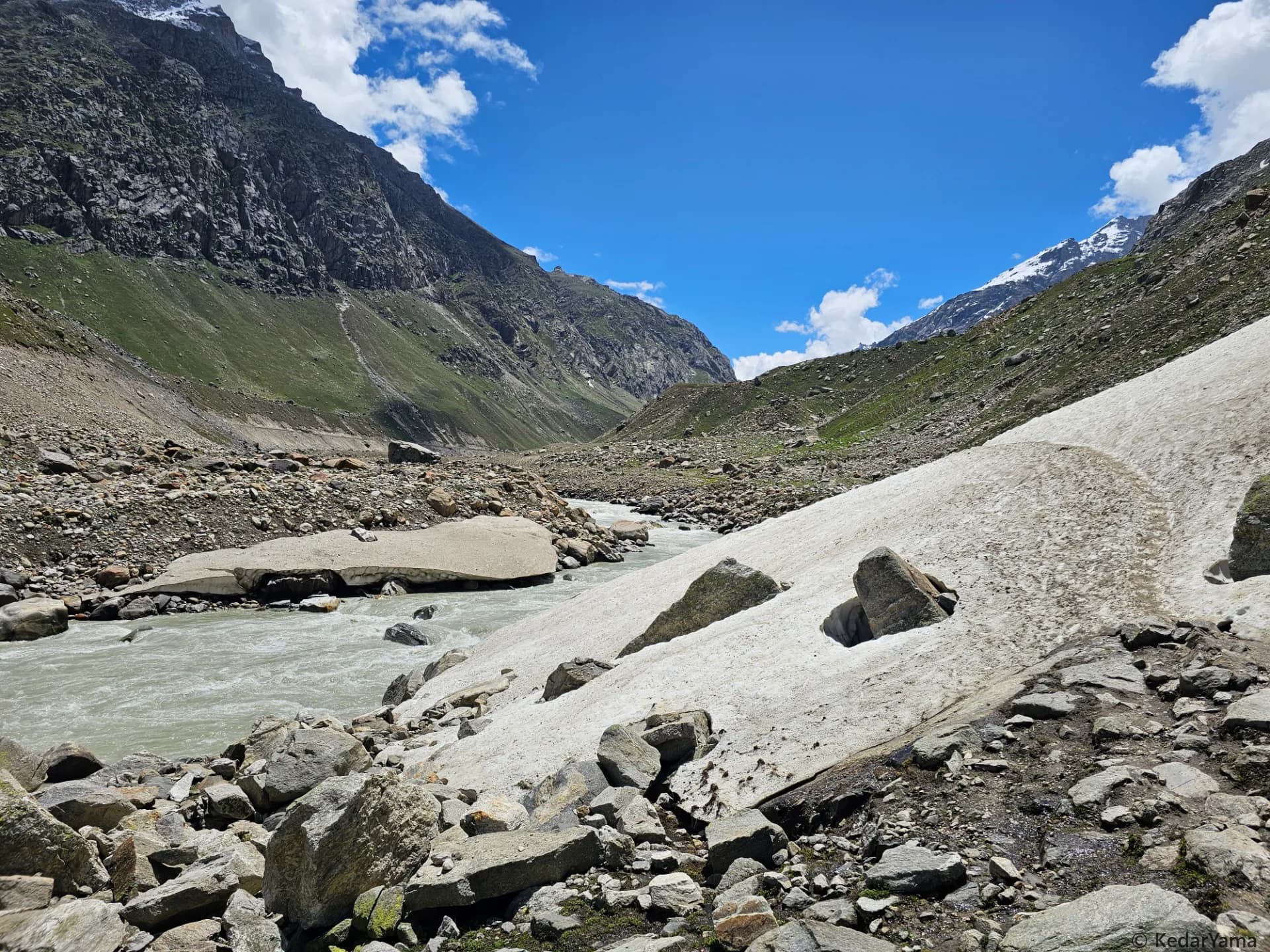
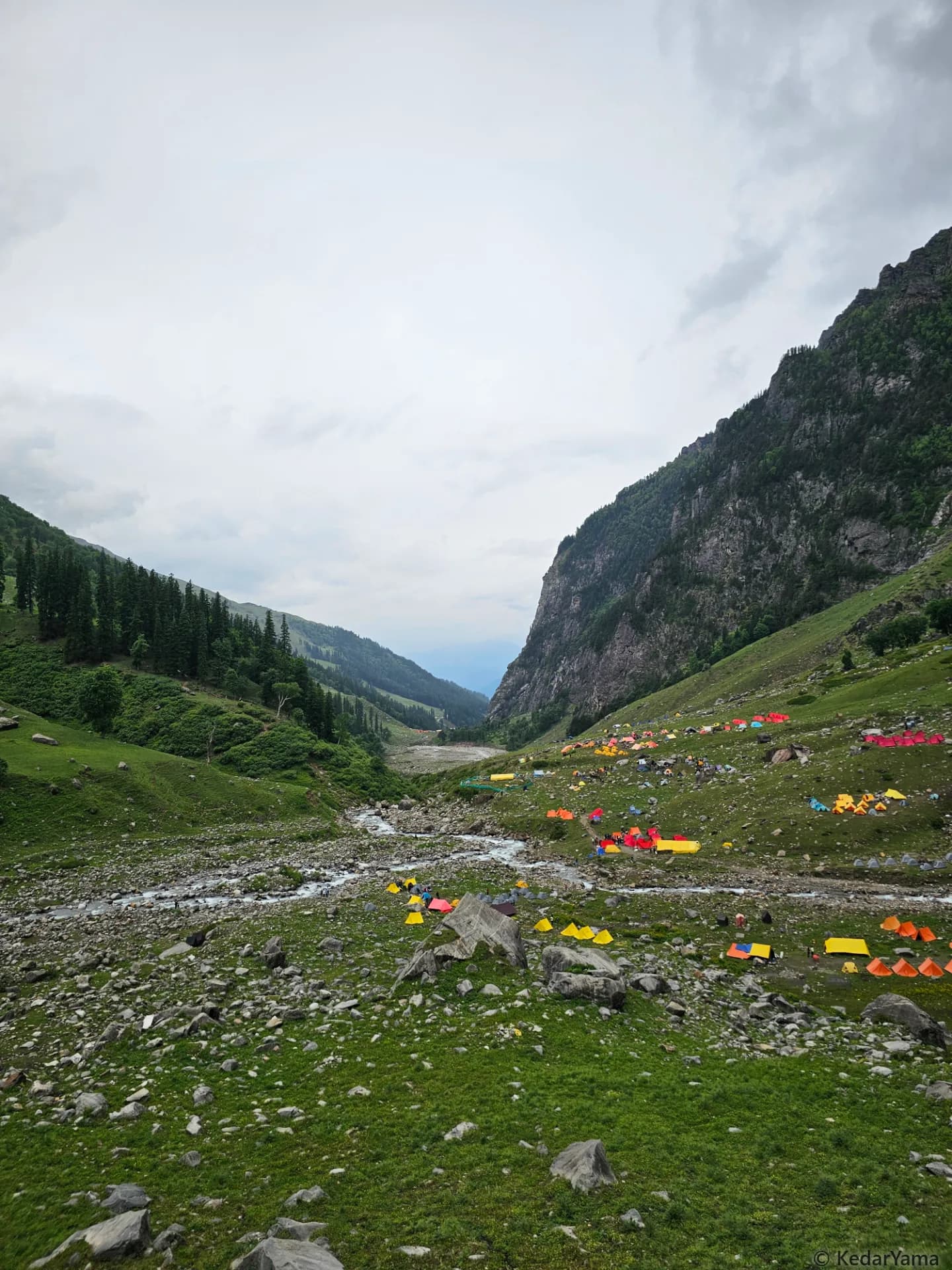
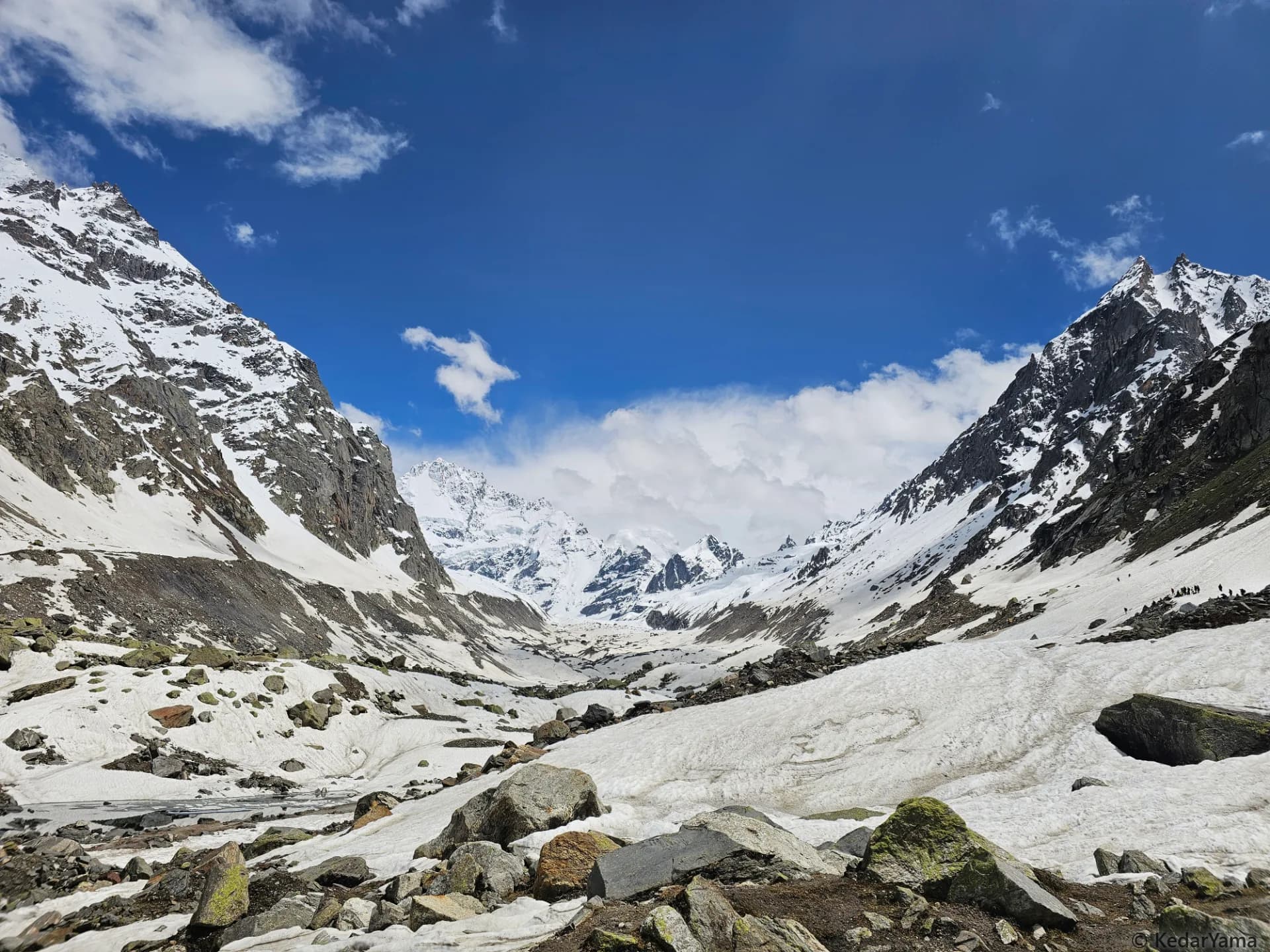
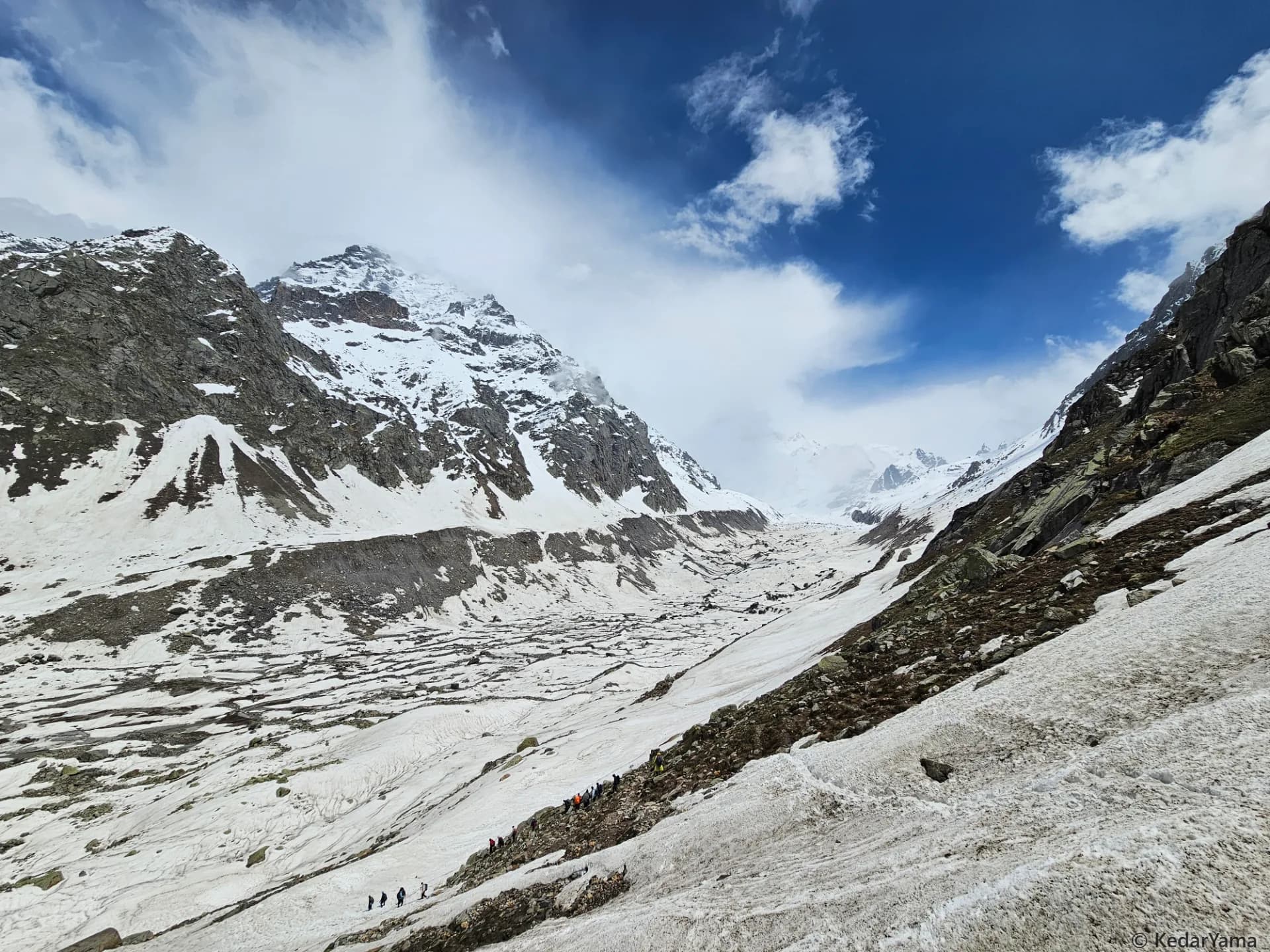
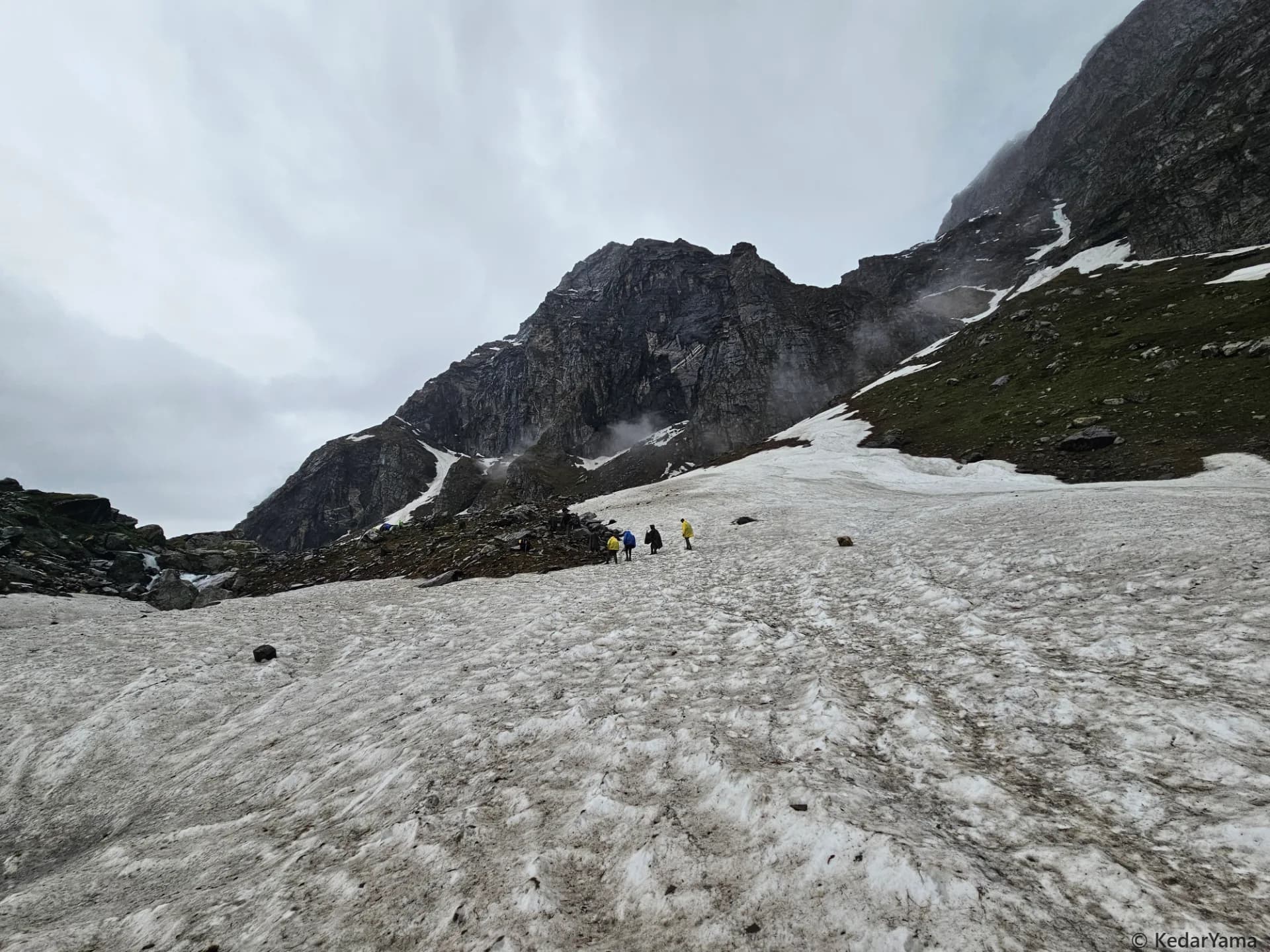
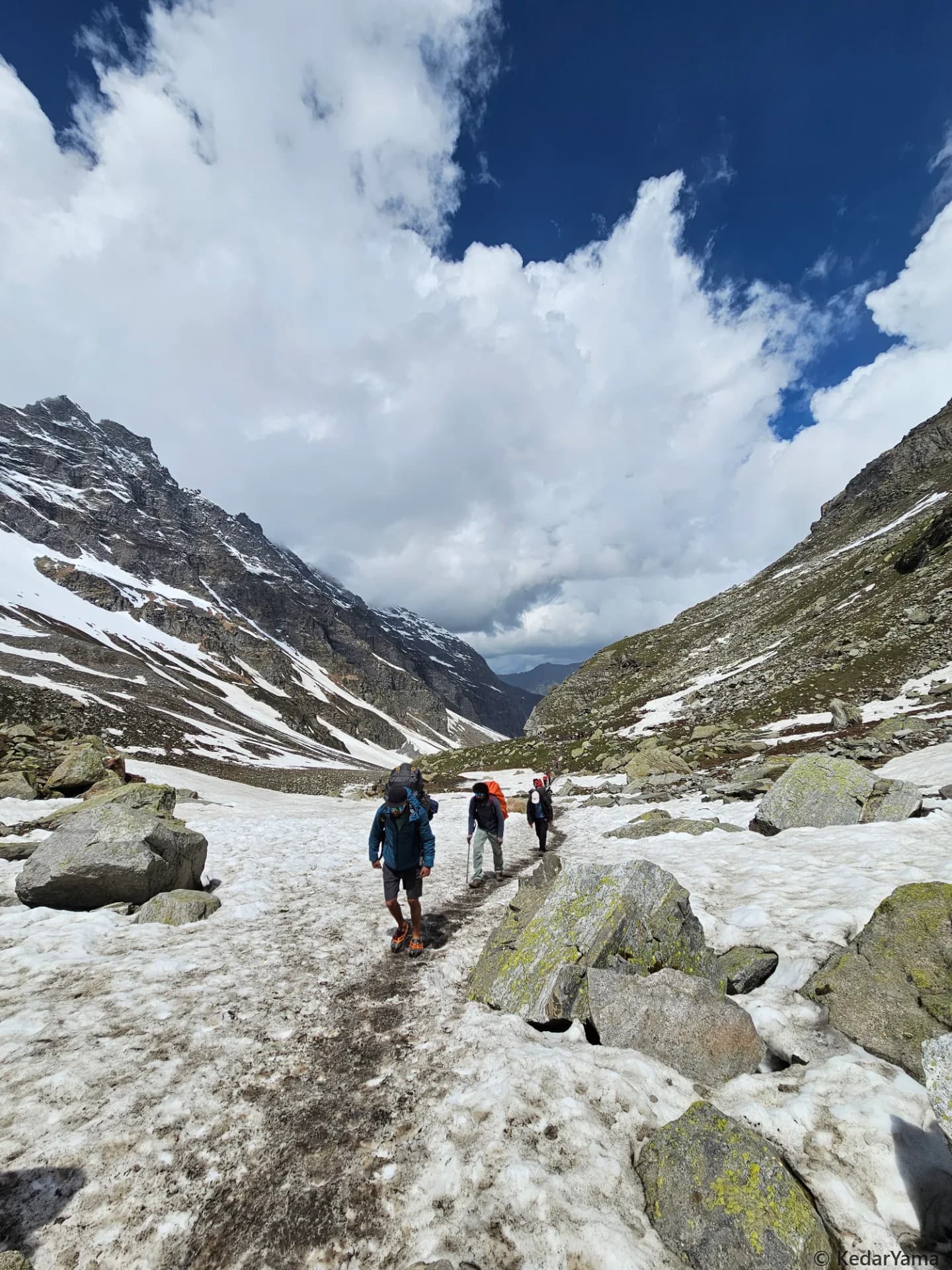
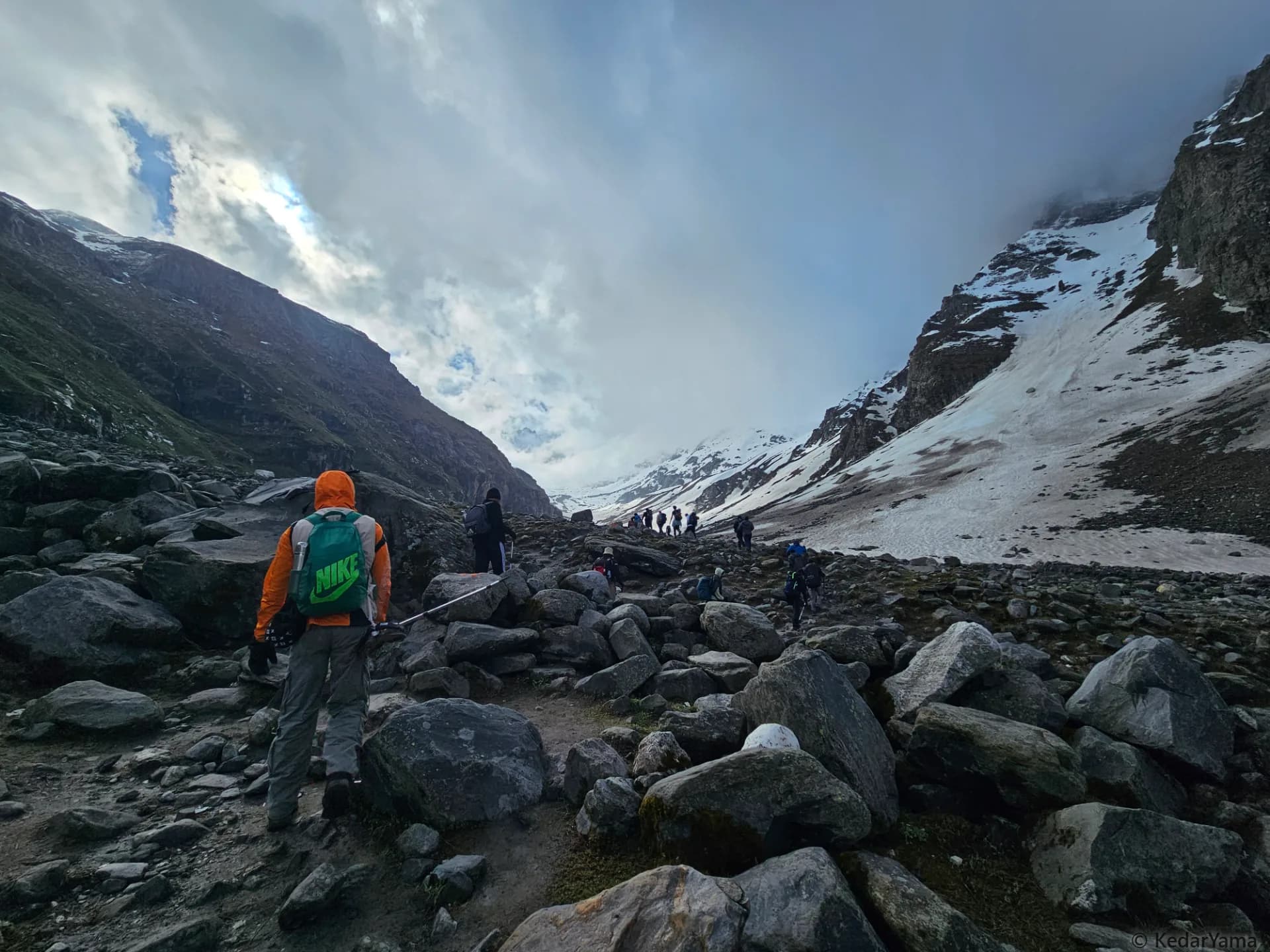
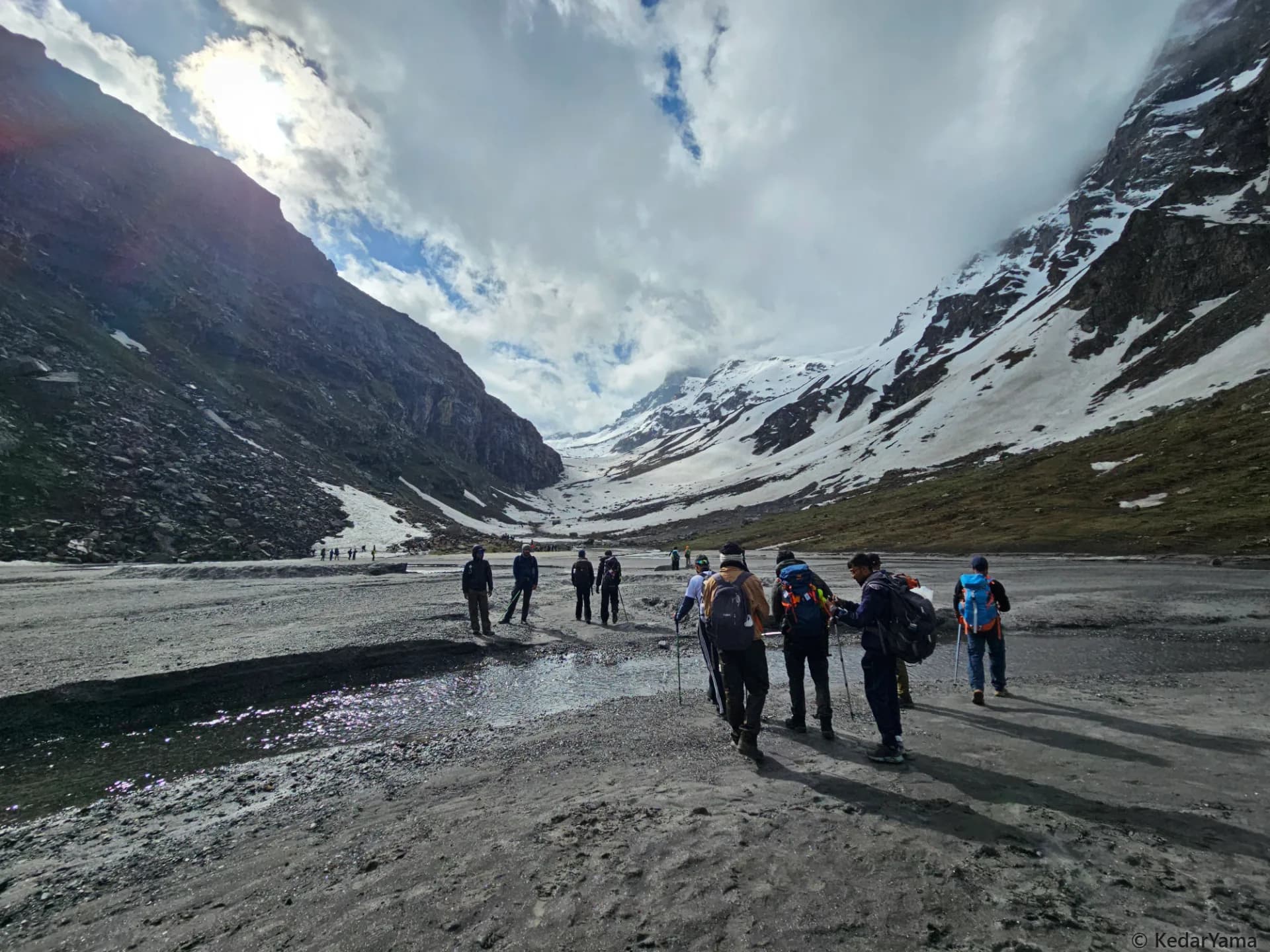
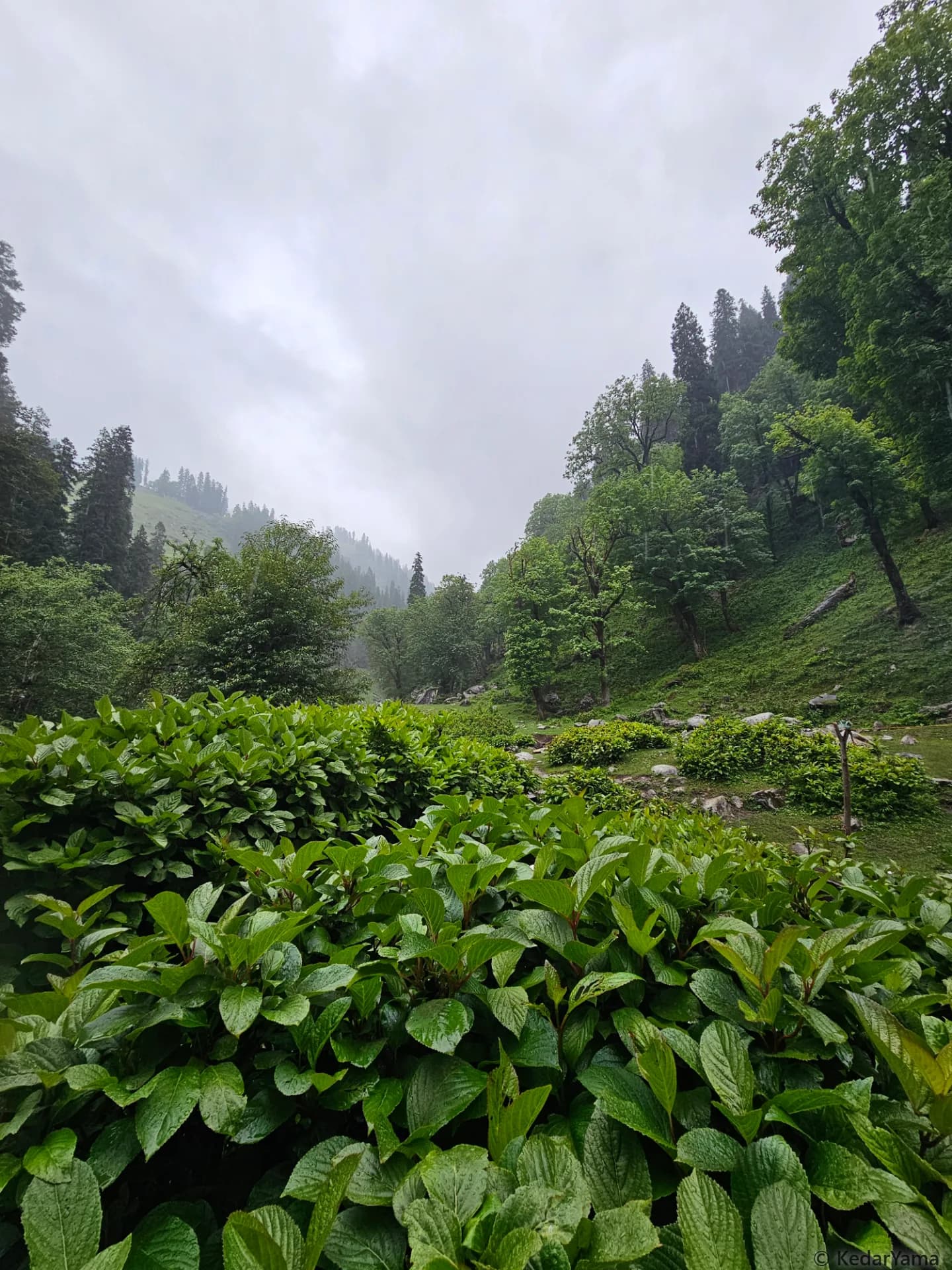
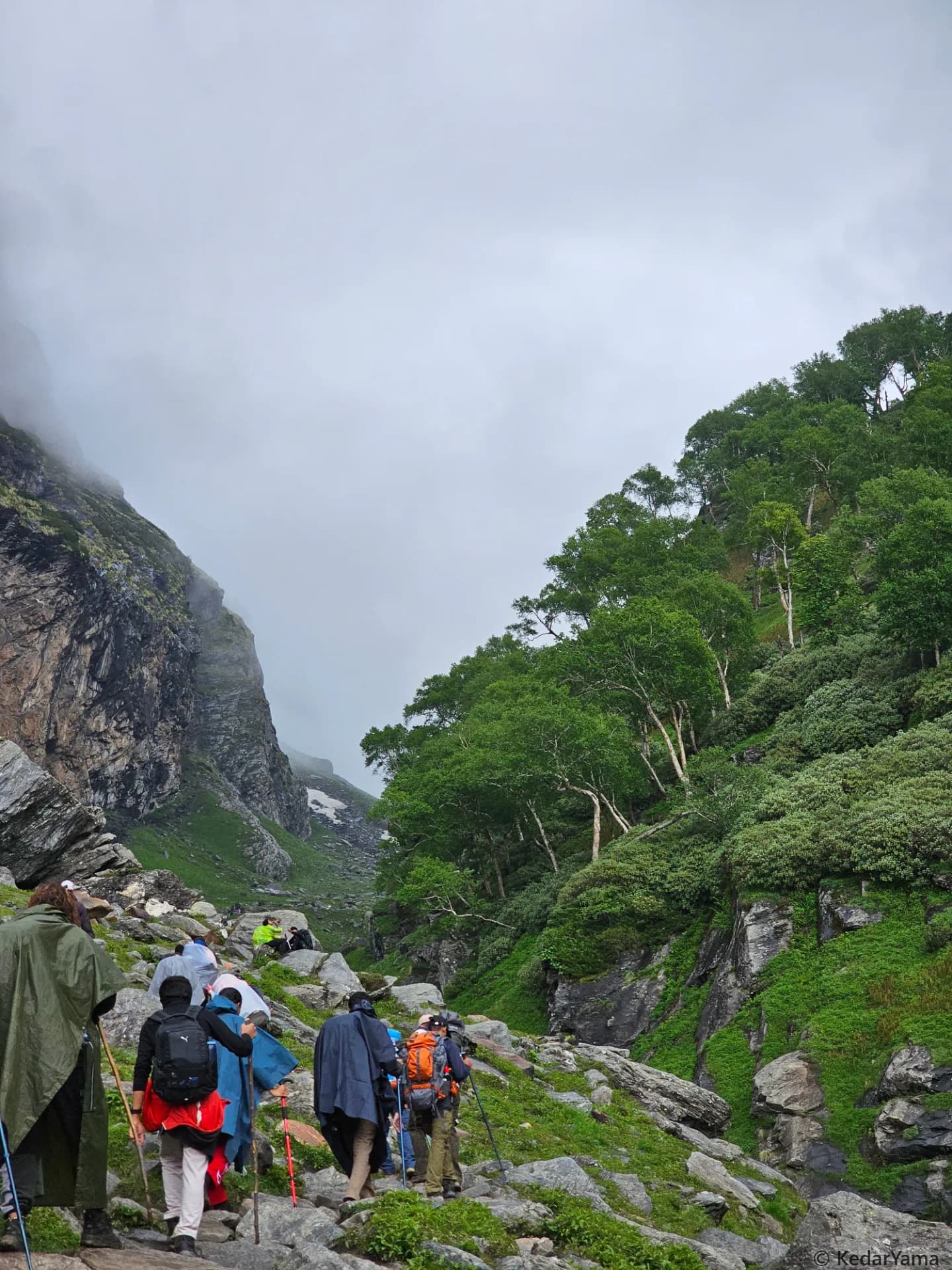
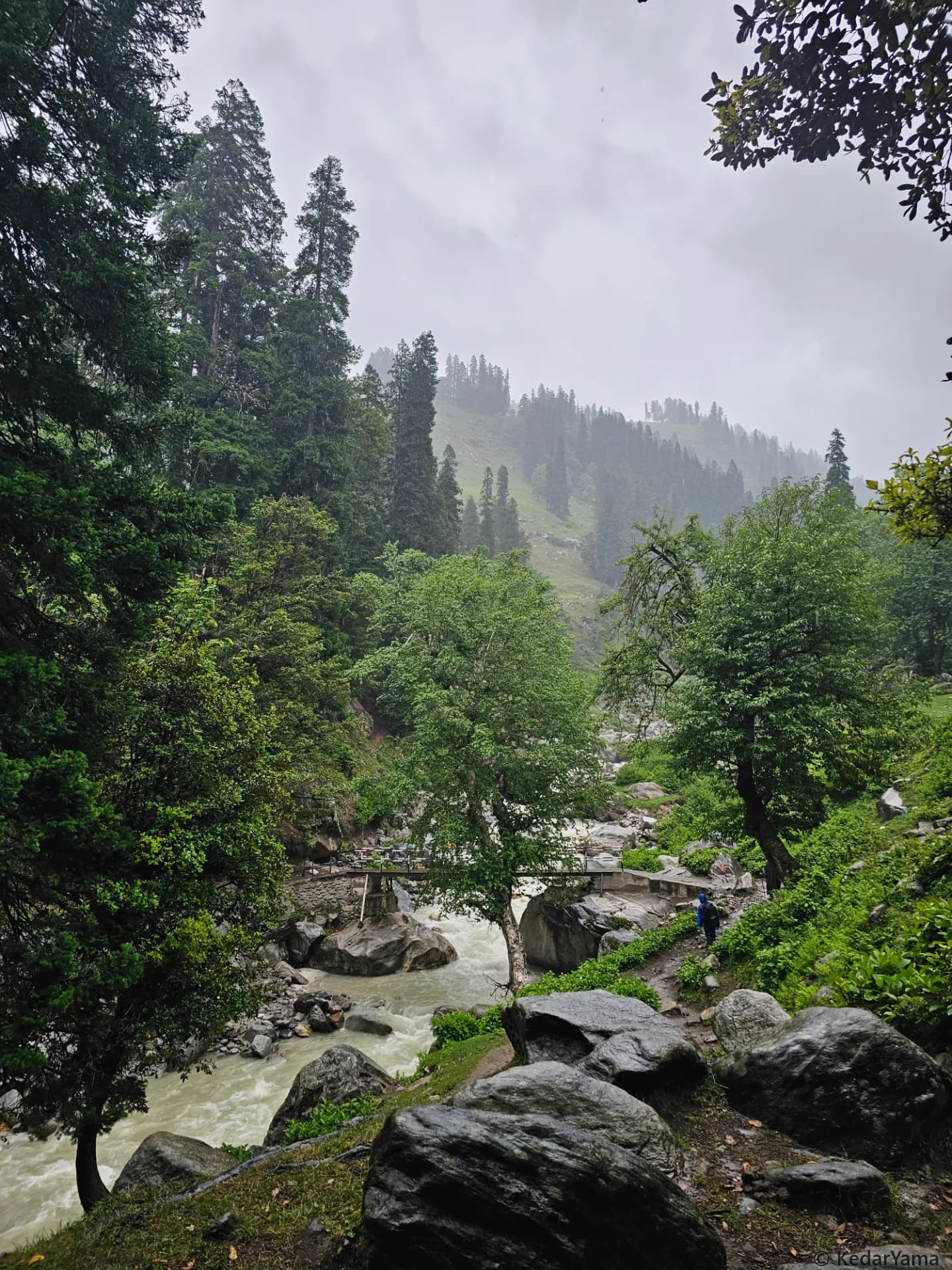
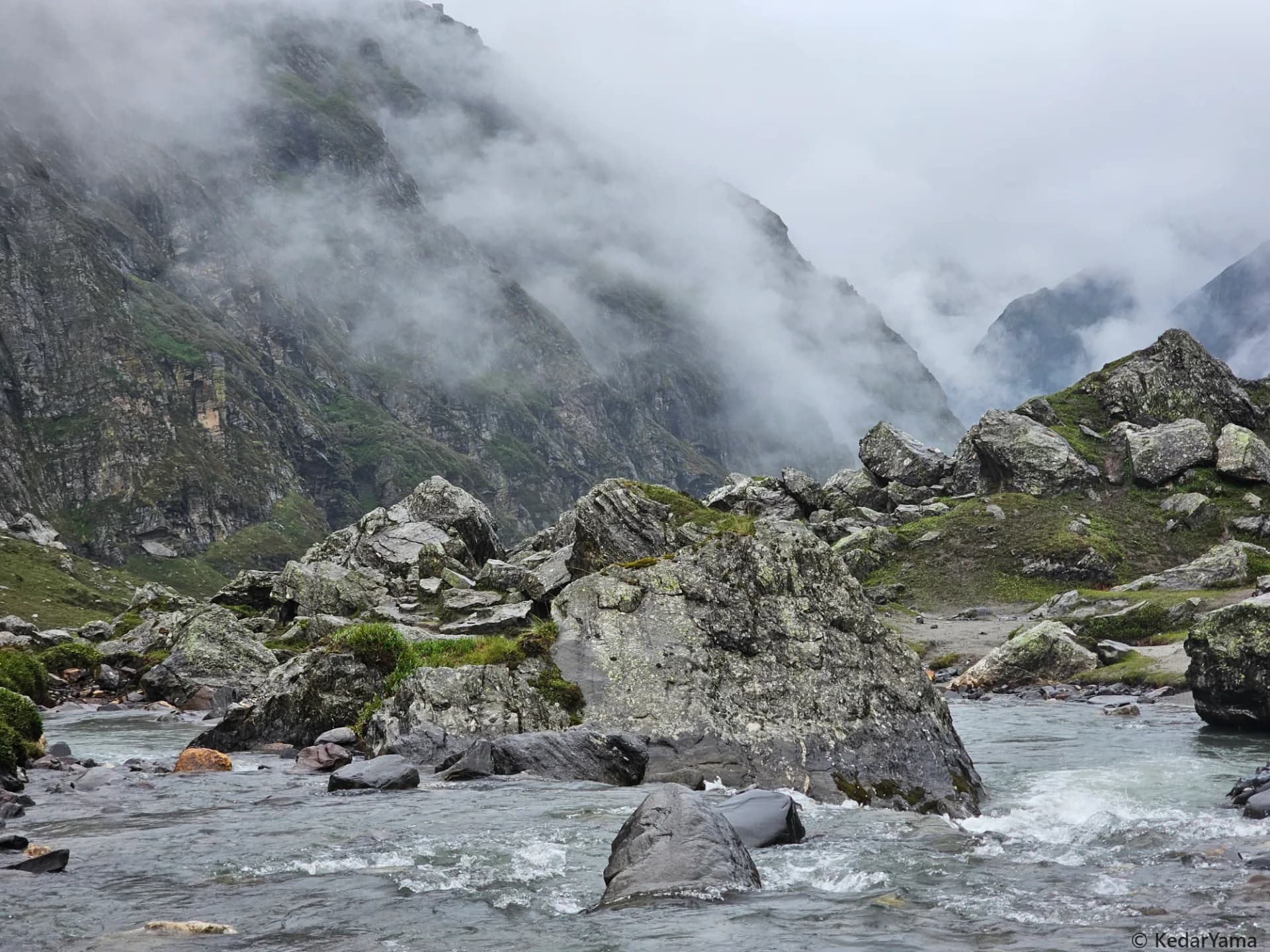
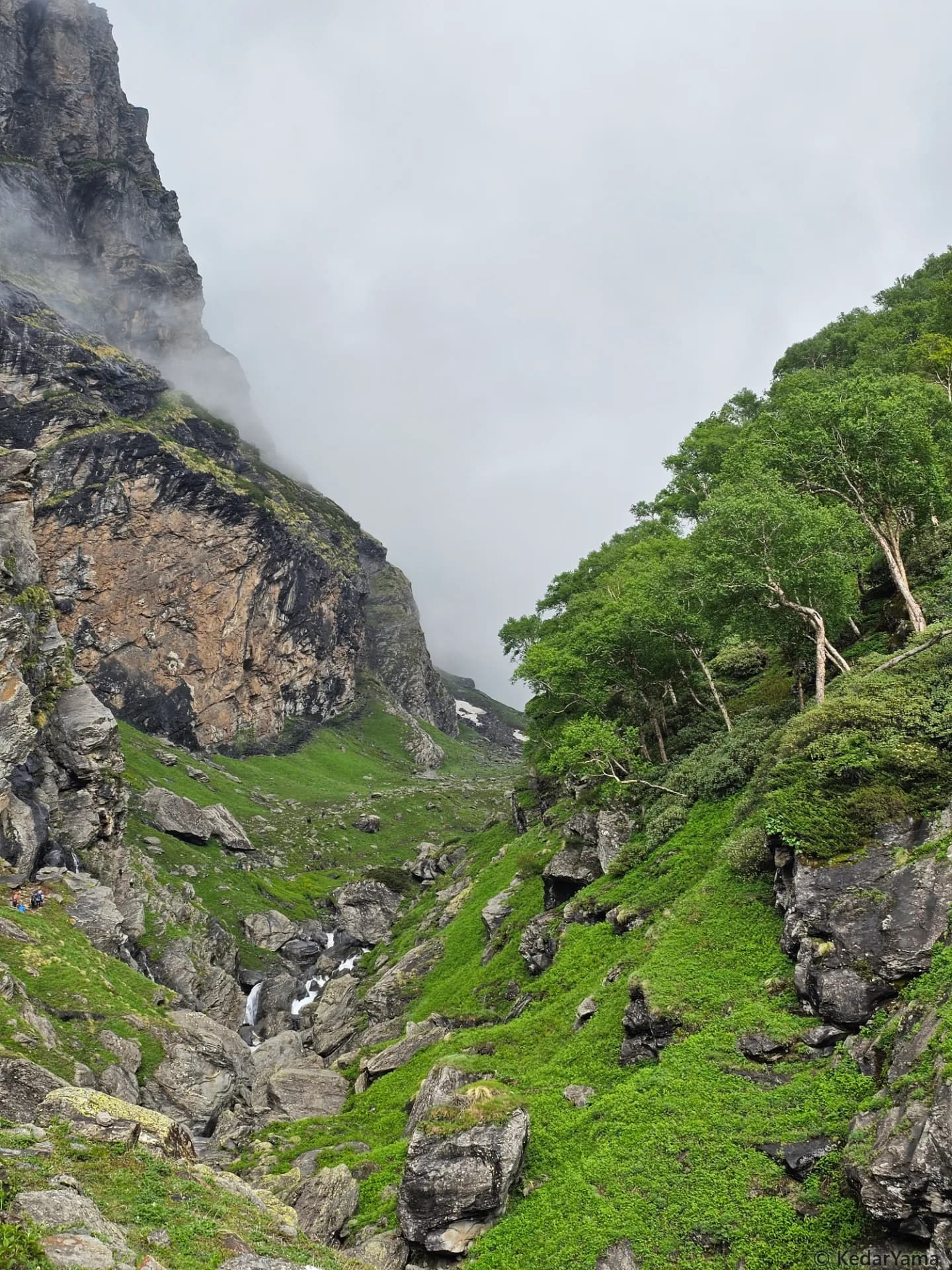
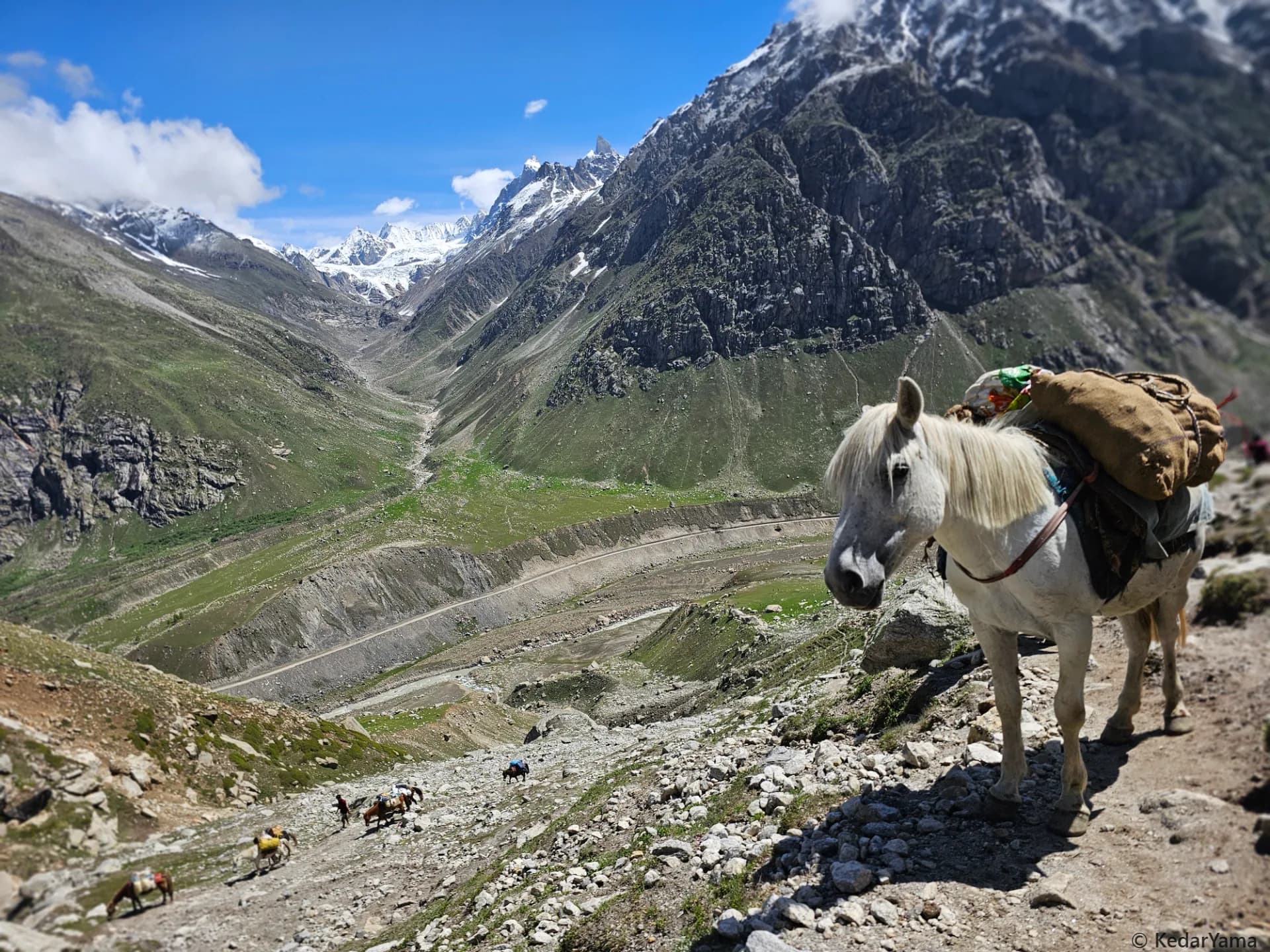
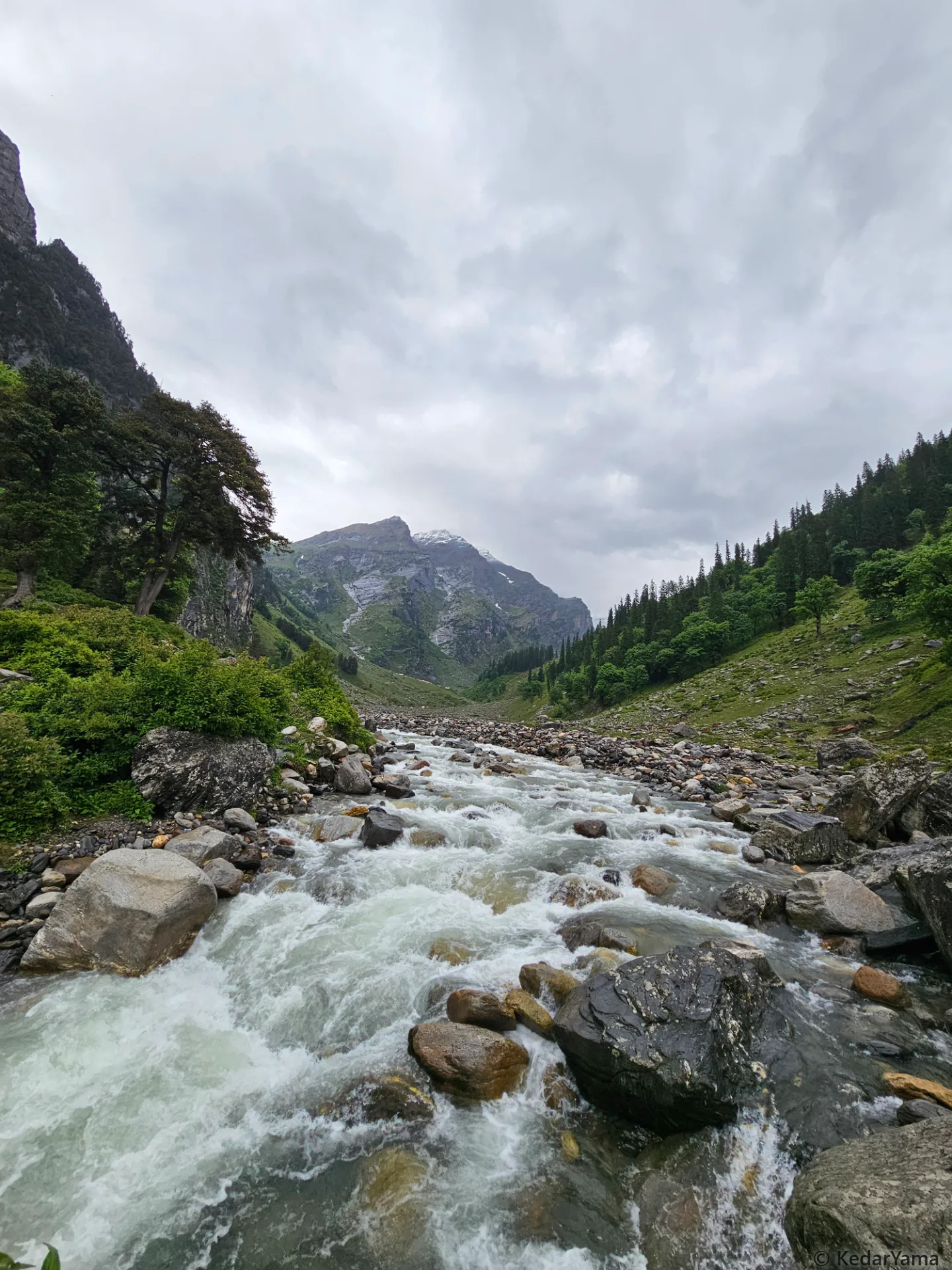
Hampta Pass is famous because the landscape changes dramatically within a few days. The trek begins in lush forests, grassy meadows and flowing streams of the Kullu Valley before climbing over a rocky snow-covered pass into the barren mountains of Lahaul. Expect dirt trails, glacial streams, loose rocks, snow patches in early season and moraine near the pass.
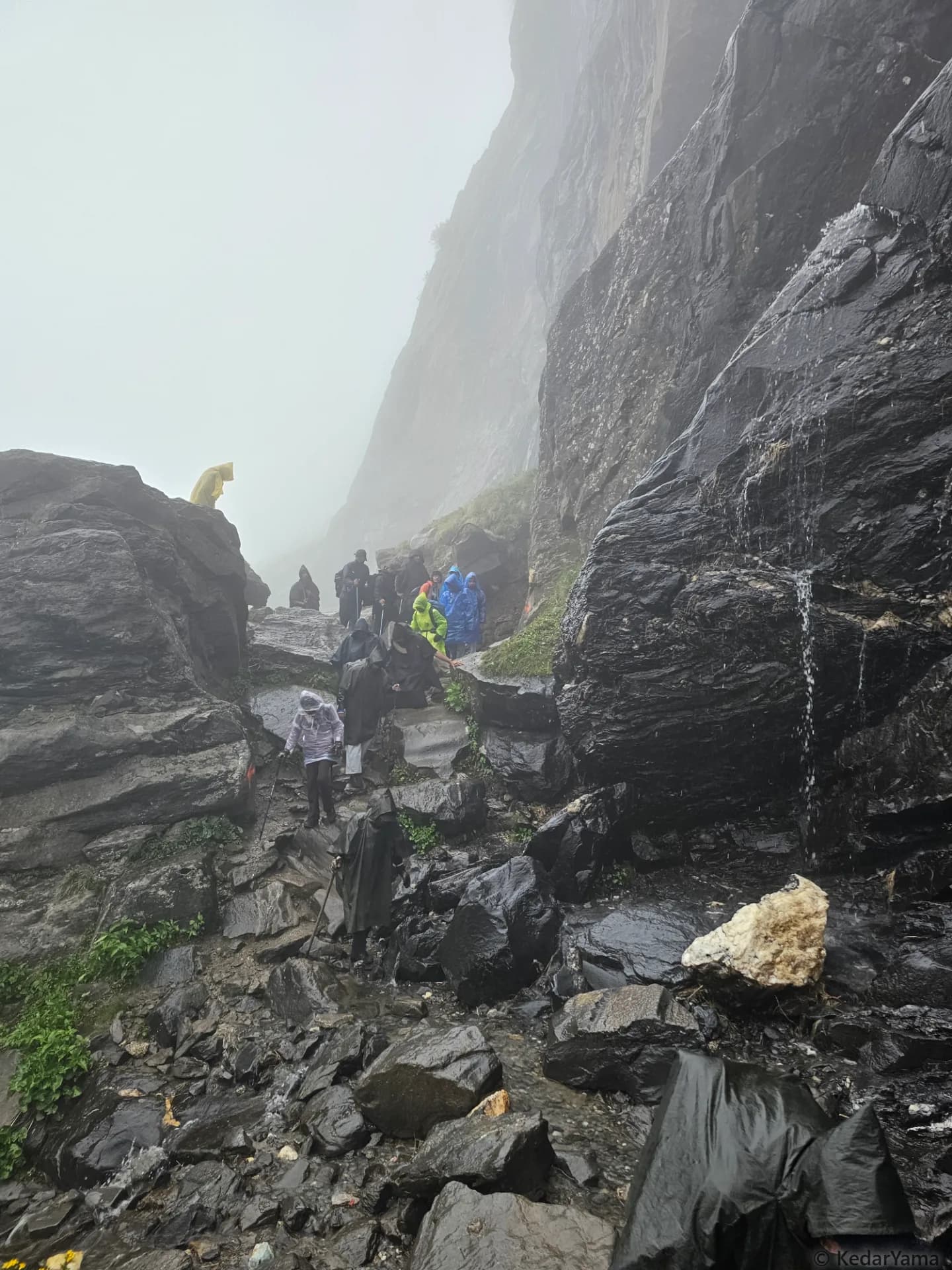
Although the daily distances are moderate, the rapid climb to over 14,000 feet makes altitude the biggest challenge. The pass-crossing day involves long hours, steep ascent and descent, thin air and changing weather. Good cardiovascular fitness and slow, steady pacing greatly improve the experience.
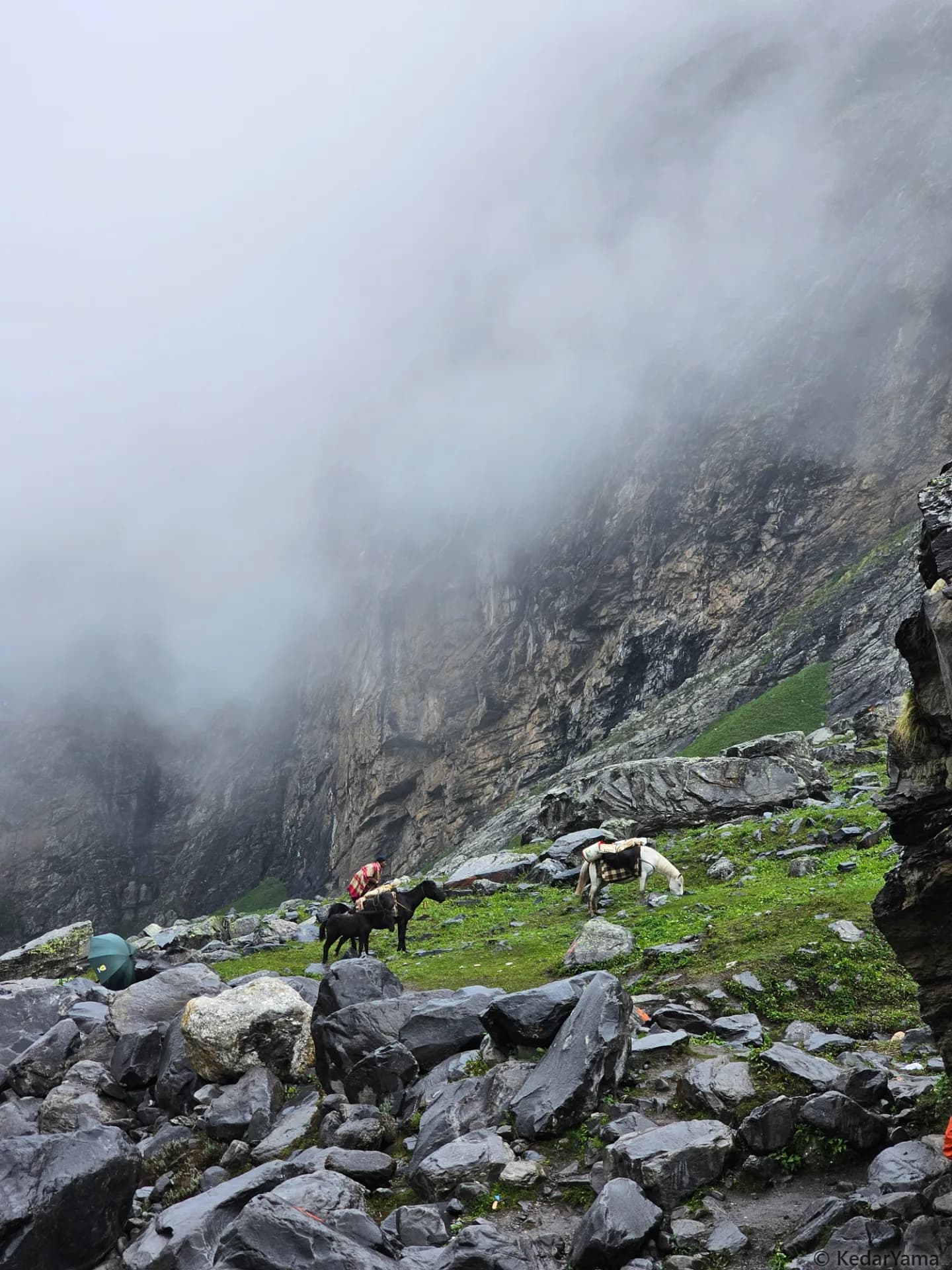
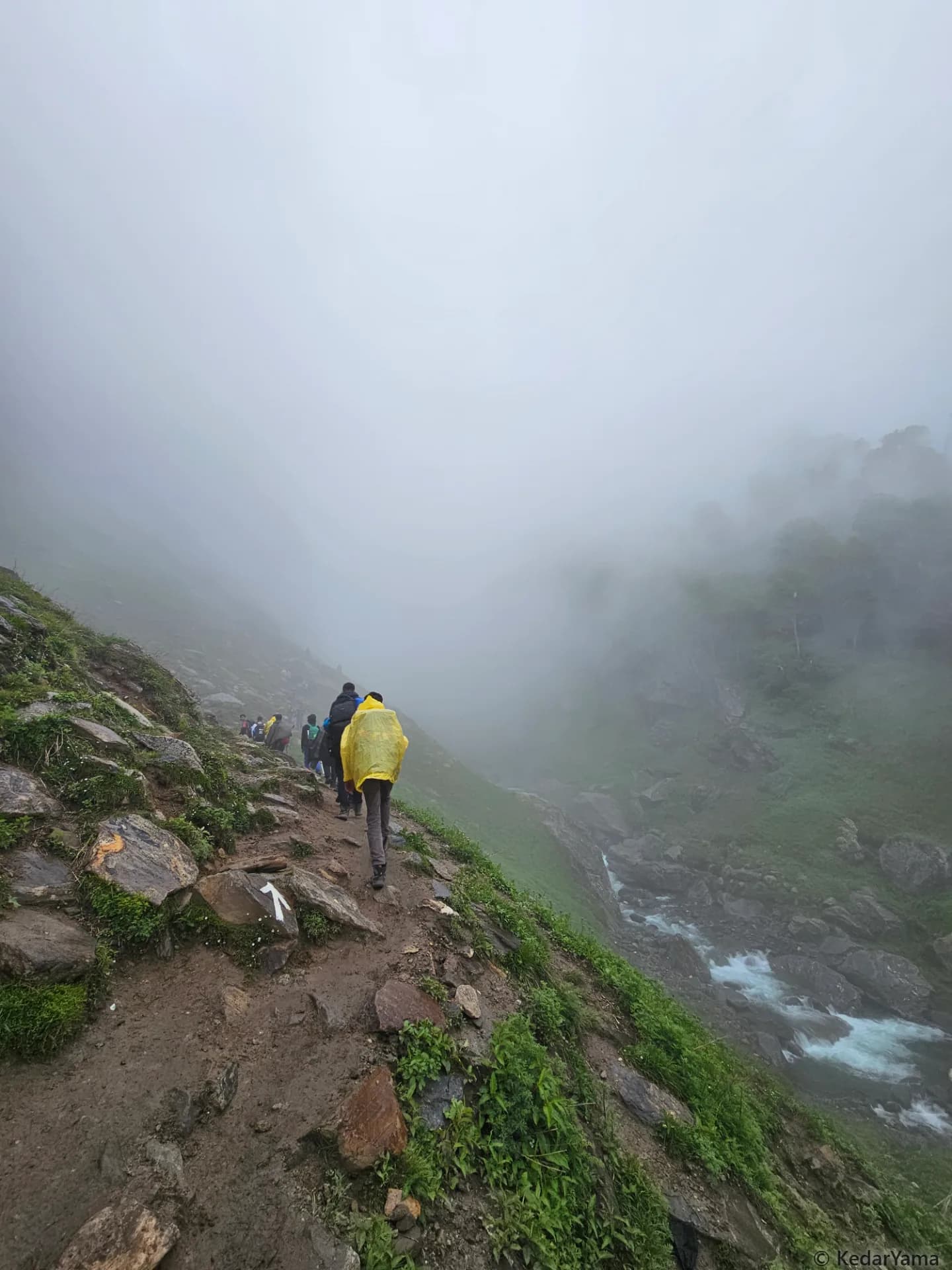
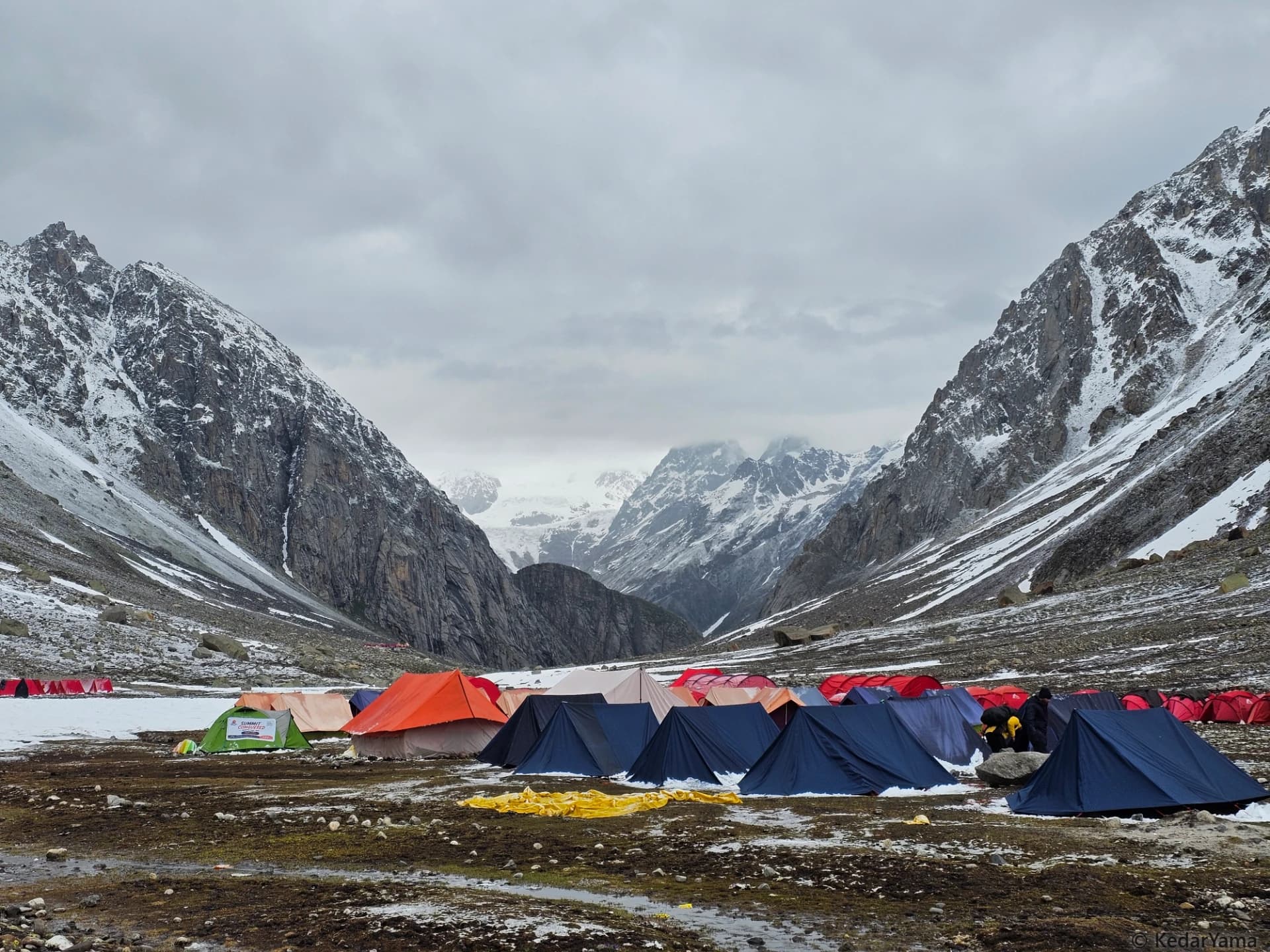
Morning temperatures are generally pleasant in the valleys but become cold above the tree line. Camps often experience near-freezing nights while the pass can see snow, strong winds and sudden fog even in summer. Rain is common on the Kullu side during monsoon, while the Lahaul side remains comparatively dry.
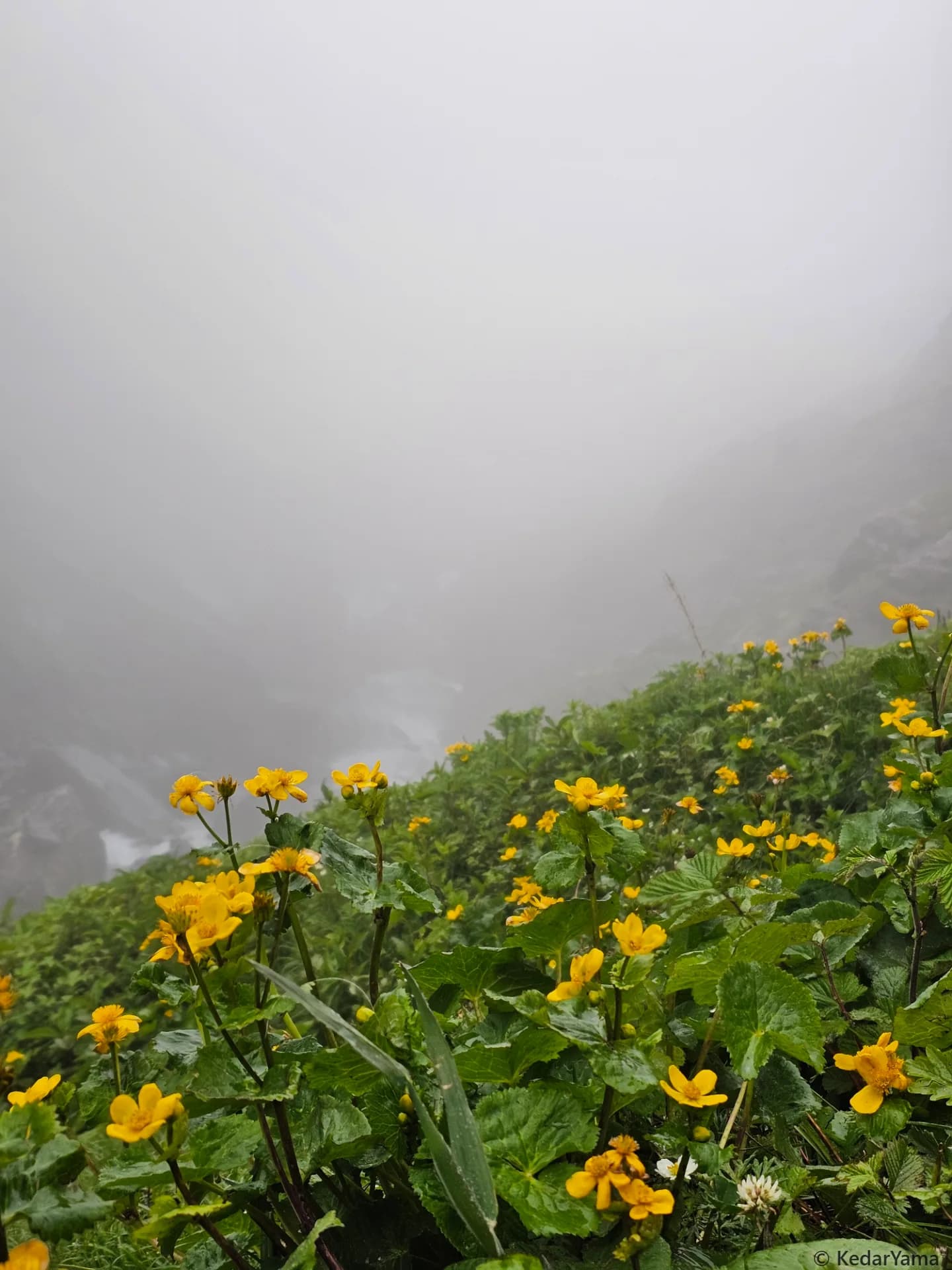
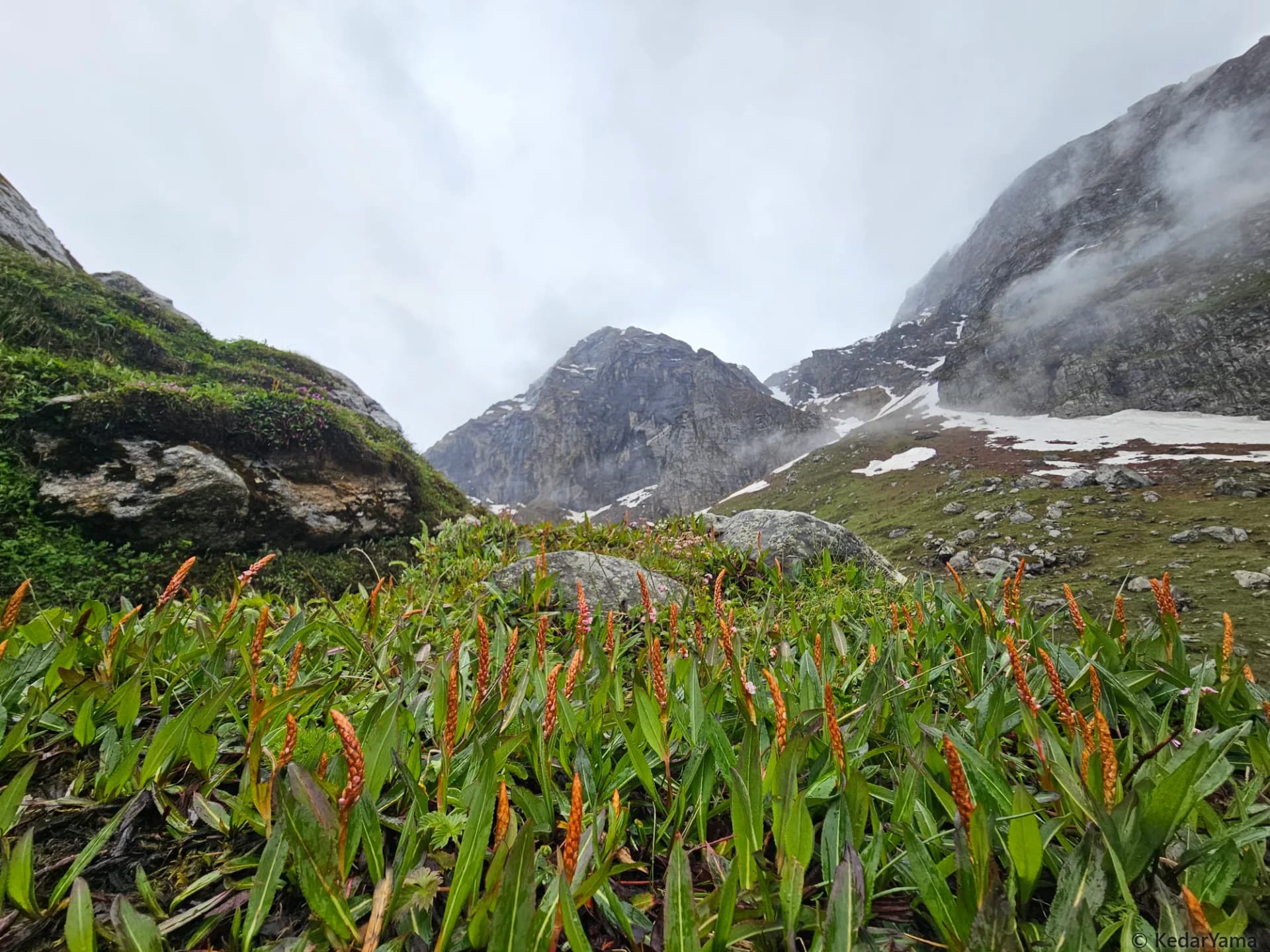
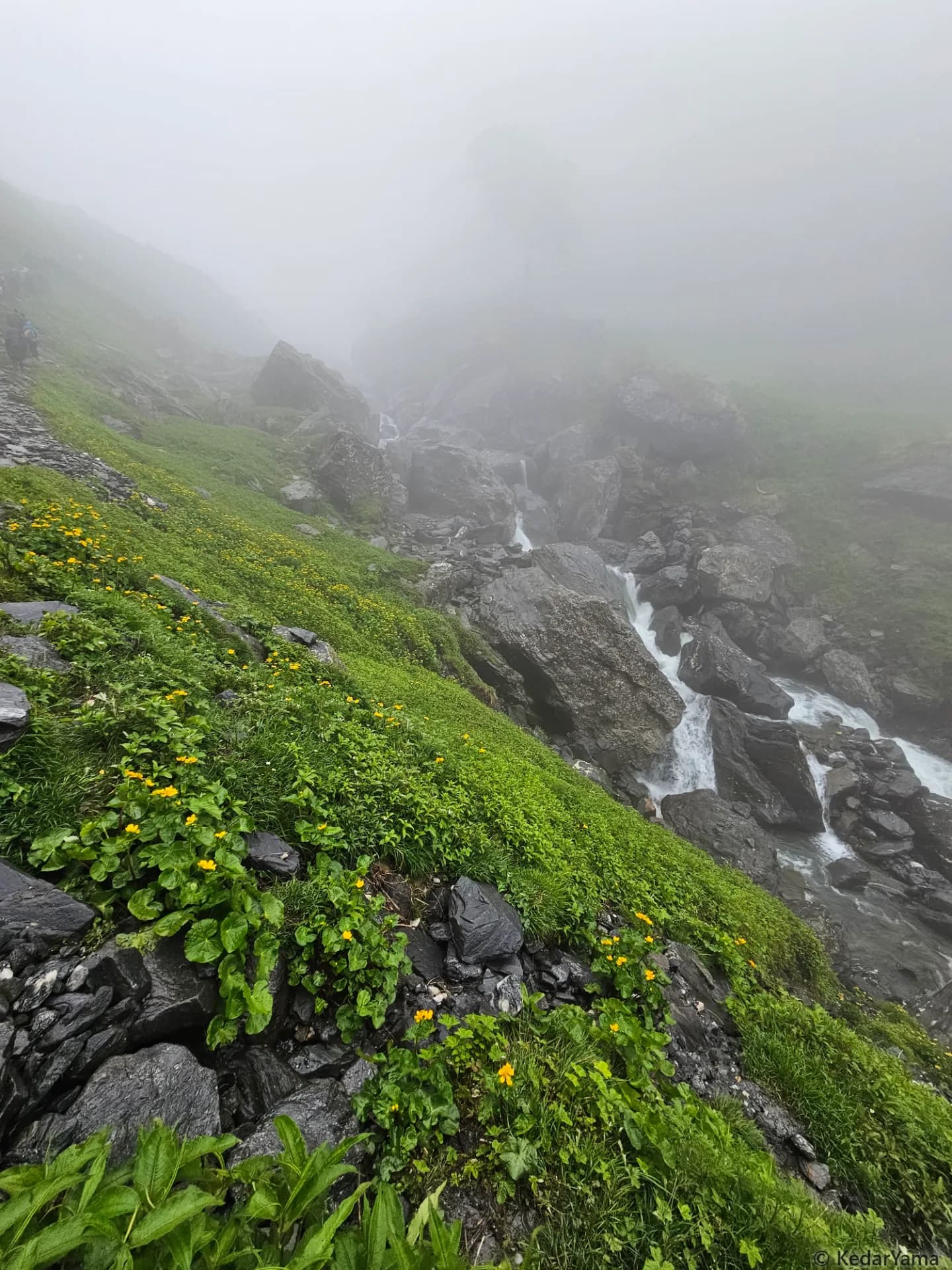
The lower trail passes through pine, maple, walnut and birch forests before opening into flower-filled alpine meadows. During July and August, wildflowers blanket the valley in vibrant colours. Himalayan birds such as monal and snow pigeons are occasionally spotted, while shepherd flocks are commonly seen grazing in the high meadows.
June
June is the best month if you want to walk across lingering snowfields near Hampta Pass. Green valleys begin to open while the higher slopes still hold plenty of snow, creating the trek's classic contrast.
July – August
The Kullu side becomes lush with wildflowers, flowing streams, and vibrant meadows. Light rain is common, but this is also when Hampta Pass looks its most colourful.
September
September offers stable weather, cleaner skies, and long-distance views of the surrounding peaks. The greenery starts fading into golden shades while the trail remains accessible.
Required: Yes
Forest entry permissions are mandatory and are generally arranged by registered trekking operators. Trekkers should carry a valid government photo ID. Solo trekkers must obtain applicable forest permissions before entering the trail.
The nearest major medical facilities are in Manali. Rescue options are limited after entering the valley, and evacuation usually happens on foot or by mule until a vehicle-accessible point like Chhatru or Jobra is reached. Organized groups carry oxygen cylinders and first-aid equipment.